Travel Feature · Updated April 2026 · Verified Ground Report
Kashmir Tour Package at ₹29,999 — 4 Nights, 5 Days of Pure Heaven for Two | JKL Travels 2026
There is a reason Mughal emperors called it Paradise on Earth. There is a reason poets ran out of words trying to describe it. And now, in 2026, there is every reason for you to finally stop just dreaming about Kashmir — and actually go.
⚡ Featured Deal — Summer / Autumn 2026
Kashmir 4 Nights 5 Days Package — Starting ₹29,999 for 2 Pax
Includes: Airport pickup & drop · Dal Lake Houseboat · Deluxe Hotel Stay · Gulmarg · Pahalgam · Sonmarg · Daily Breakfast & Dinner · All Sightseeing by A/C Vehicle · Expert Local Guide
Why Kashmir Is the #1 Travel Destination in India Right Now
Kashmir has always been extraordinary. What’s changed in 2026 is this: it’s more accessible, better connected, and more confident than it has been in years. New direct flights from Mumbai, Bangalore, Delhi, and Chennai have slashed travel time to Srinagar. JKL Travels, born and raised in the valley, has been watching this revival closely — and this is the right time to visit.
Let’s talk ground reality first, because responsible travel starts with honest information. In 2024, Jammu & Kashmir welcomed a record-breaking 2.36 crore tourists, and the J&K government’s Swadesh Darshan Scheme has poured significant investment into improving roads, hotel infrastructure, and tourist facilities across Srinagar, Gulmarg, Pahalgam, and Sonmarg. After some turbulence in 2025, the valley has been finding its feet again. Tourists — particularly from Maharashtra, Gujarat, Rajasthan, and the southern states — have been returning in increasing numbers, reassured by the strong security presence, improved amenities, and the undiminished magic of the landscape itself. Kashmir InFocus reported in April 2026 that the Tulip Garden season already drew over 2.25 lakh visitors, a strong early signal of restored travel confidence.
Gulmarg remained one of the most resilient destinations through this period, drawing over 11 lakh visitors in 2025 even in a difficult year. Dal Lake, Gulmarg, and Sonmarg never closed, and continue to welcome travellers with open arms. The J&K government has launched the Kashmir Travel Mart 2026 and is actively working with tour operators to reposition the valley as India’s premier multi-season adventure and leisure destination. Chief Minister Omar Abdullah has personally championed a repeat tourism strategy, pushing for new experiences, adventure trails, and eco-tourism routes to keep the valley fresh and exciting for returning visitors.
The short version? Kashmir is open, beautiful, and calling your name. JKL Travels is here to make sure you experience it safely, affordably, and unforgettably.
From Dal Lake to the Gulmarg Gondola — Kashmir in 2026 Is More Breathtaking Than Ever
Think about waking up on a hand-carved teak houseboat as shikara vendors paddle past your window, selling lotus roots, fresh bread, and marigold garlands. Think about riding what is officially the world’s second-highest operating cable car up to Apharwat Peak at 13,780 feet, where the air is so clear you can see the Pir Panjal range stretch endlessly before you. Think about standing in the middle of a wildflower meadow in Pahalgam while the Lidder river roars beside you, cold and silver and impossibly beautiful.
This isn’t travel writing fantasy. This is a Tuesday in Kashmir.
And with JKL Travels’ pocket-friendly Kashmir package starting at just ₹29,999 for two people, it’s now more achievable than a weekend at most five-star resorts in any Indian metro city.
Kashmir Tour Package Starting at ₹29,999 for 2 — What’s the Catch? (There Isn’t One.)
We understand scepticism. A budget Kashmir package for two people that covers five full days sounds too good to be true. But here’s the thing about JKL Travels — we’re not an outsourced operator working from a call centre in another city. We live and operate in Jammu & Kashmir. We know every hotel owner, every houseboat captain, every local guide by name. That’s how we deliver genuine value without cutting corners on what matters — comfort, safety, and authentic experience.
So let’s break down exactly what ₹29,999 gets you:
Everything Included in Your 4 Nights 5 Days Kashmir Holiday Package
| What’s Included ✔ | Details |
|---|---|
| Airport Pickup & Drop | Srinagar Airport — private A/C vehicle, both ways |
| 3 Nights Deluxe Hotel | Centrally located, inspected & vetted by JKL Travels team |
| 1 Night Dal Lake Houseboat | Heritage carved wood houseboat, lake-view sit-out, authentic experience |
| Daily Breakfast & Dinner | Kashmiri cuisine including Wazwan dinner experience |
| Gulmarg Day Excursion | Full-day trip; Gondola booking assistance (Phase 1 & 2 subject to weather) |
| Pahalgam & Betaab Valley Visit | Aru Valley, Baisaran, Chandanwari (open areas per current advisory) |
| Sonmarg Glacier Sightseeing | Thajiwas Glacier trek option, Sind Valley drive |
| Srinagar Local City Tour | Mughal Gardens, Shankaracharya Temple, Hazratbal, Lal Chowk |
| Shikara Ride on Dal Lake | 1-hour romantic shikara ride included (additional rides available) |
| All Transfers by A/C Vehicle | Srinagar cab throughout + local union taxis at each destination |
| Dedicated Local Expert Guide | Born-in-valley guide, fluent in Hindi & English |
Note: Airfare to/from Srinagar, Gulmarg Gondola tickets (₹800–₹1,000 per person per phase, booked through official JKCCC portal), personal shopping, adventure activities (pony rides, skiing, etc.), and GST are not included in the base package price and are payable separately. JKL Travels assists with Gondola booking — advance booking of 15–20 days recommended during peak season (May–June, Dec–Jan).
Transparent Pricing — What Does a Kashmir Trip Actually Cost in 2026?
At JKL Travels, we believe in honest pricing. Here’s a realistic cost breakdown so you can plan without surprises:
Tentative Cost Breakdown for 2 Pax — 4 Nights 5 Days Kashmir Package
| Component | Budget Option | Mid-Range | Premium |
|---|---|---|---|
| Hotel (3 nights, 2 pax) | ₹4,500–₹6,000 | ₹8,000–₹12,000 | ₹18,000–₹30,000 |
| Dal Lake Houseboat (1 night) | ₹2,500–₹3,500 | ₹4,000–₹6,000 | ₹8,000–₹15,000 |
| Cab / Transport (4 days, Srinagar) | ₹6,000–₹8,000 | ₹8,000–₹10,000 | ₹12,000–₹18,000 |
| Meals (breakfast + dinner, 5 days) | ₹2,500–₹3,500 | ₹4,000–₹6,000 | ₹7,000–₹12,000 |
| Shikara Ride (1 hour, Dal Lake) | ₹300–₹600 | ₹600 | ₹600–₹1,000 |
| Gulmarg Gondola (Phase 1+2, per person) | ₹800 (Phase 1) + ₹1,000 (Phase 2) — official JKCCC rates 2026. Total ₹1,800 pp / ₹3,600 for 2 | ||
| Airport Pickup & Drop | ₹1,500–₹2,000 | ₹2,000 | ₹2,500–₹4,000 |
| Local Sightseeing (union taxis, all destinations) | ₹2,000–₹3,000 | ₹3,000–₹4,000 | ₹4,000–₹6,000 |
| Estimated Total (2 pax, excl. flights) | ~₹22,000–₹28,000 | ~₹33,000–₹42,000 | ~₹55,000–₹90,000 |
💡 JKL Travels Advantage: Our ₹29,999 package for 2 pax covers the mid-range budget with all components bundled — you save ₹3,000 to ₹12,000 versus booking each piece separately, and gain local expertise, vetted hotels, and 24/7 on-ground support. No hidden charges. No last-minute surprises.
Budget Add-Ons & Cool Upgrades Available
Want to stretch the experience without stretching your wallet too far? JKL Travels offers these pocket-friendly add-ons:
- Honeymoon Upgrade: Floral houseboat décor, candle-light dinner on Dal Lake — add ₹3,500 per couple
- Gulmarg Gondola Fast-Track Booking Assistance: JKL team books your official JKCCC slots in advance — no queues, no scammers
- Kashmiri Wazwan Dinner Experience: Authentic 7-course Wazwan with a local family — add ₹1,200 per couple
- Pahalgam Pony Ride to Baisaran Meadow: ₹400–₹600 per person (subject to current access)
- Sonmarg Glacier Pony Trek: ₹500–₹800 per person to Thajiwas Glacier base
- Kashmiri Saffron, Dry Fruits & Pashmina Shopping Tour: Expert-guided shopping at local government emporia — no tourist traps
- Ladakh Extension (4N 5D): Starting ₹22,000 per person — Pangong Lake, Nubra Valley, Khardung La, Leh Palace (see Ladakh section below)
- Vaishno Devi & Jammu Add-On (2N 3D): Starting ₹8,500 per person — Katra, Vaishno Devi trek/helicopter, Patnitop, Bahu Fort
Your Complete 4 Night 5 Day Kashmir Itinerary — Day by Day
Every day of this itinerary has been designed with two things in mind: depth of experience and practical reality. We don’t rush you from monument to monument like a school excursion. We give you Kashmir the way it deserves to be experienced — slowly, mindfully, and with enough breathing room to let the beauty actually land.
Day 1: Arrival in Srinagar — Welcome to Heaven on Earth
Your JKL Travels representative greets you personally at Sheikh ul-Alam International Airport — a sign bearing your name, a warm handshake, and a cold bottle of Kashmiri soda to kick things off. No confusion, no waiting, no negotiating with taxi drivers in an unfamiliar city.
You’re driven directly to your Dal Lake houseboat — a beautifully carved, heritage-style floating home that sits right on the water. Check-in, freshen up, then step out onto your private sit-out deck. The lake is vast and calm. A shikara passes. Kingfishers dive. Somewhere in the distance, the Hazratbal Mosque catches the afternoon light.
In the evening, your JKL guide takes you for a shikara sunset ride on Dal Lake — the single most photographed, most romanticised hour in all of Kashmir. The light goes gold, then amber, then a deep copper that turns the mountains into silhouettes. You’ll run out of storage on your phone and words in your head simultaneously.
Dinner is served on board — a proper Kashmiri meal with fragrant rice, slow-cooked lamb, and kahwa tea brewed with saffron and cinnamon. Tonight, the lake belongs to you. Sleep to the sound of water.
Highlight: Shikara ride at golden hour | Meals: Dinner
Day 2: Gulmarg Sightseeing — Asia’s Most Iconic Snow Point Awaits
Rise early for breakfast on the houseboat — fresh bread, eggs, Kashmiri butter and more kahwa. Then check out and transfer to your hotel (your base for the next three nights), drop your bags, and head straight for Gulmarg. It’s a 55-km drive that takes you through chinar-lined roads and mountain villages that look like they belong in a different century.
Gulmarg (altitude 2,650 metres) is officially Asia’s premier ski resort, but in summer it transforms into something else entirely — a vast, green bowl of wildflower meadows encircled by snow-capped Himalayan peaks. The Gulmarg Gondola, operated by the J&K Cable Car Corporation, is the undisputed star of the show. It’s the world’s second-highest operating cable car, and it runs in two phases:
- Phase 1 (Gulmarg base to Kongdori Station, ~3,000m): 9-minute ride over dense pine forests. Ticket: ₹800 per person — book via official JKCCC portal, ideally 15–20 days in advance during peak season
- Phase 2 (Kongdori to Apharwat Peak, 4,200m): 12-minute ride to the shoulder of Apharwat. Ticket: ₹1,000 per person. Weather-dependent — Phase 2 may close during high winds. At the top: panoramic views of the Pir Panjal range, Nanda Devi, and on clear days, even the Line of Control. Ticket slots are time-specific — arrive at the base station at least 15 minutes before your slot
Beyond the Gondola, Gulmarg offers: horse riding on the meadow (pony operators charge ₹500–₹1,500 depending on distance), the famous Gulmarg Golf Course (one of the highest in the world), and in winter, skiing and snowboarding on five slopes. For summer visitors, the upper meadows are still snow-covered and offer a thrilling, surreal experience.
Return to Srinagar by evening. Dinner at hotel. Rest well — tomorrow takes you deeper into the valley.
Highlight: Gulmarg Gondola (Phase 1 & 2) | Meals: Breakfast, Dinner | Tip: Book Gondola tickets online at the official JKCCC website — never through hotel drivers or touts
Day 3: Pahalgam Tour — The Valley That Turns Every Visitor Into a Poet
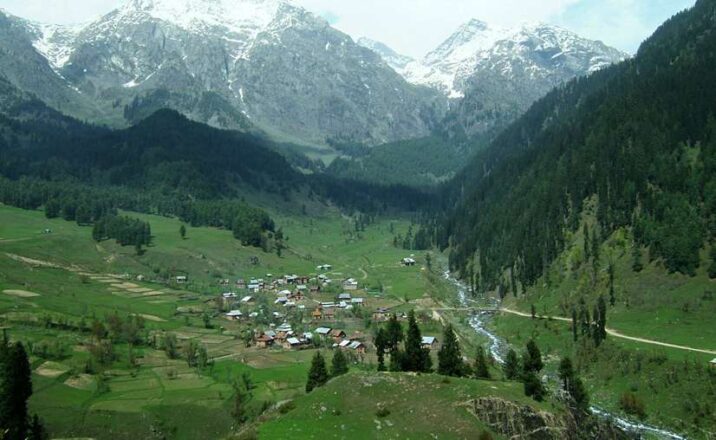
Pahalgam is 95 km from Srinagar — a two-and-a-half-hour drive that is, frankly, half the point. The road follows the Lidder river through meadows, pine forests, and small Kashmiri villages where horses graze and smoke rises from kitchen chimneys. Your guide will point out wild iris fields in spring, apple orchards heavy with fruit in autumn.
Known as the Valley of Shepherds, Pahalgam has been attracting travellers for centuries — Bollywood directors, honeymoon couples, Amarnath Yatra pilgrims, and poets who came to write and stayed for months. The river through town is cold, silver, and loud. It commands your attention.
Key stops on your Pahalgam tour:
- Betaab Valley (named after the 1983 Sunny Deol film shot here): Lush green, mountain-framed, river-threaded — one of the most photographed spots in all of Kashmir
- Aru Valley: A quieter, wilder meadow 11 km from Pahalgam town, popular base camp for Kolahoi Glacier treks
- Chandanwari: Starting point of the Amarnath Yatra, and a stunning glacier-adjacent meadow
- Pahalgam town & Lidder River: Walk the riverside promenade, try fresh trout, watch Kashmiri weavers at work
Note: Please confirm with your JKL Travels guide regarding any access restrictions at specific Pahalgam sub-areas, as security advisories can change. JKL Travels monitors all advisories in real time and will ensure your itinerary covers the best and safest attractions available on your dates.
Return to Srinagar by evening. Dinner at hotel. The mountains outside your window are turned to ash-grey silhouettes in the dusk. Extraordinary.
Highlight: Betaab Valley & Aru Valley | Meals: Breakfast, Dinner
Day 4: Sonmarg Glacier Trip — Walk on Ice, Touch the Sky
Sonmarg translates literally as Meadow of Gold — and the name earns itself every single morning when the first light hits the surrounding glaciers and turns them into something that doesn’t look entirely real. At 2,800 metres, Sonmarg sits at the beginning of the road that eventually becomes the legendary Srinagar–Leh Highway, the gateway to Ladakh.
The 87-km drive from Srinagar to Sonmarg is through the Sind Valley — considered one of the most scenic drives in the Indian subcontinent. The road follows the Sind river, flanked by towering mountains on both sides, through small Gujjar villages, meadows, and stands of Himalayan willow.
The highlight of Sonmarg is the Thajiwas Glacier — an ancient, slow-moving river of ice a short pony ride or moderate walk from the main meadow. Walking on the glacier is one of those travel experiences that sounds simple and turns out to be genuinely profound. The ice is blue-white. The silence is total. The air is thin and cold and tasted like the start of something.
- Pony ride to Thajiwas Glacier base: ₹500–₹800 per person
- Snow boots/equipment rental available on-site in season
- Photography of the glacier, Sind river, and surrounding peaks
Return to Srinagar. Dinner. Tomorrow is your last day — spend the evening packing light, because Kashmir will pack itself into you regardless.
Highlight: Thajiwas Glacier, Sind Valley Drive | Meals: Breakfast, Dinner
Day 5: Srinagar Local Sightseeing & A Farewell You’ll Never Forget
Your last morning in Kashmir belongs entirely to Srinagar — one of the oldest continuously inhabited cities in South Asia, with a soul that’s been shaped by Hinduism, Islam, Sufi mysticism, Mughal emperors, and the quiet resilience of its people.
The Srinagar local tour includes:
- Nishat Bagh (Garden of Joy): Twelve terraced gardens rising from the Dal Lake shoreline, designed in 1633 by Asaf Khan. The view from the upper terraces — lake below, mountains above — is exactly what postcards try to capture and fail
- Shalimar Bagh (Abode of Love): Built in 1619 by Emperor Jahangir for his beloved empress Nur Jahan. The oldest of Srinagar’s three Mughal gardens, and the most poetic
- Hazratbal Mosque: Set on the western shore of Dal Lake, this stunning white marble mosque is one of the holiest Islamic sites in Kashmir. Visitors are welcome (dress modestly)
- Shankaracharya Temple: Perched on a hill 1,000 feet above Srinagar’s old city, this ancient Shiva temple offers the single best panoramic view of Srinagar, Dal Lake, and the surrounding mountain range. The 243 stone steps are worth every one
- Lal Chowk & Residency Road: Srinagar’s beating commercial heart. Buy saffron (grade A Kashmiri saffron should be deep crimson — your guide will help you avoid adulterated product), Pashmina shawls, walnut wood carvings, and papier-mâché decorations directly from artisan shops
Checkout. Airport drop. The lump in your throat is regulation-issue — every Kashmir visitor gets one on departure. You’ll start planning the next trip somewhere on the flight home.
Highlight: Mughal Gardens, Shankaracharya Temple, Lal Chowk Shopping | Meals: Breakfast
Going Beyond Kashmir? Explore Jammu & Ladakh — The Complete Himalayan Circuit with JKL Travels
Kashmir is the centrepiece, but Jammu & Kashmir is a universe. If your schedule permits — or if one visit turns into a lifelong relationship with the Himalayas (it usually does) — here’s what JKL Travels can show you next:
Ladakh Tour Package — Pangong Lake, Nubra Valley & Khardung La Pass
Ladakh is a completely different world from Kashmir — drier, higher, more alien, and arguably even more dramatic. At 3,500 metres above sea level, Leh is the starting point of a landscape that looks less like Earth and more like a science fiction film set. Ladakh is open and safe for tourists in 2026, and is completely distinct from the Kashmir Valley in its geography, culture, and administration.
Key things to know before you go to Ladakh:
- Best time to visit: May to September, when the Manali–Leh and Srinagar–Leh highways are open. In winter, Leh is accessible only by flight
- Inner Line Permit (ILP) required for Indian nationals visiting Nubra Valley, Pangong Lake, Tso Moriri, and Hanle. Obtain via the official LAHDC portal or Leh DC office. Permits cover multiple areas in one document and are usually valid for up to three weeks. Cost: ₹400 (Ecology Fund) + ₹100 (Red Cross) + applicable wildlife fees
- Foreign nationals require a Protected Area Permit (PAP) — apply at the DC office in Leh
- Acclimatisation is non-negotiable: Rest for your first 36–48 hours in Leh before heading to Nubra or Pangong. The altitude at Leh (3,500m) is significant. Those heading to Pangong (4,350m) or Khardung La (5,359m) should plan acclimatisation carefully. Drink 3–4 litres of water daily, avoid alcohol for the first 72 hours, and never rush altitude gains
- Pangong Lake (4,350m, 135km long, two-thirds in China): The world’s highest saltwater lake changes colour throughout the day — turquoise, cobalt, jade, steel — and it never looks the same twice. Accessible year-round via Chang La pass (the Indian Army keeps this road open)
- Nubra Valley: Cross Khardung La (5,359m, one of the world’s highest motorable roads) into a valley that somehow contains sand dunes, double-humped Bactrian camels, and monasteries. Diskit Monastery and the Hunder sand dunes are the highlights
- Hemis Monastery, Thiksey Monastery, Shanti Stupa, Leh Palace: No permits required for sightseeing within Leh town
JKL Travels Ladakh Package: Starting ₹22,000 per person (4N 5D), including airport transfers, accommodation in Leh, sightseeing by local registered taxis, permit assistance, and daily breakfast & dinner. Contact JKL Travels for a customised quote based on your group size and dates.
Vaishno Devi & Jammu Heritage Tour — Spirituality Meets the Himalayas
Jammu, often overlooked in the rush to reach Kashmir, is a destination with its own deep character — the City of Temples, the gateway to the Himalayan pilgrimage circuit, and home to landscapes that shift from plains to mountains in the space of an afternoon drive.
The undisputed highlight is the Vaishno Devi shrine — one of the most visited pilgrimage sites in India, with millions of devotees trekking or riding up each year to seek the blessings of Mata Vaishno Devi in her holy cave on the Trikuta Mountains (5,200 feet). From Katra base camp, it’s a 13-km trek each way. For those who prefer to avoid the physical strain, helicopter service operates from Katra to Sanjichhat, reducing the trek to 2.5 km. The best time to visit Vaishno Devi is March to October, with peak pilgrim numbers during Navratri (September/October) when the atmosphere is electric with devotion.
- Vaishno Devi Shrine: Open 24 hours, all year. Helicopter: ₹3,000–₹4,000 per person return, book at least 2 months ahead
- Patnitop Hill Station: 50 km from Katra, 2,024m elevation, popular for summer escapes and winter snow
- Bahu Fort & Bagh-e-Bahu: 18th-century fort overlooking the Tawi river, with a beautiful garden and aquarium
- Amar Mahal Palace Museum: French-chateau-style palace, now a museum with royal artefacts and hill station views
- Raghunath Temple: One of the largest temple complexes in northern India, dedicated to Lord Rama
JKL Travels Jammu Add-On: 2N 3D starting ₹8,500 per person — covers Katra, Vaishno Devi darshan (trek-based; helicopter bookings extra), Patnitop, and Jammu heritage tour. Easily combinable at the start or end of your Kashmir package.
Why JKL Travels Is the Most Trusted Kashmir Tour Operator in Jammu & Kashmir
There are hundreds of Kashmir tour operators. Some are excellent. Some are not. Here’s what makes JKL Travels different — and why 10,000+ travellers have trusted us with their holidays:
|
10K+ Happy Travellers From first-timers to repeat Himalayan explorers, all returned with stories they couldn’t stop telling. |
100% Born-in-Valley Expertise We don’t read about Kashmir from a brochure. We live it. Every hotel, guide, and driver in our network is personally vetted. |
24/7 On-Ground Support A real person answers every call. Any time of day or night. Because mountains don’t keep office hours, and neither do we. |
We also maintain a strict no-hidden-charges policy. What we quote is what you pay. We don’t inflate hotel categories then quietly downgrade on arrival. We don’t add “mandatory” supplements at the last minute. And we never take you to shops that pay us commission on your purchases — we take you to government emporia and reputable artisan stores where the product quality is guaranteed and the prices are fair.
Our houseboats are inspected before every booking. Our drivers are background-checked. Our guides are fluent in Hindi and English, genuinely knowledgeable about the valley’s history, culture, and natural environment, and instructed to never rush you past anything worth pausing for.
Real Stories from Real Travellers — Why Guests Keep Coming Back to JKL Travels
“We were nervous about visiting Kashmir, but JKL Travels made us feel completely taken care of from the moment we landed. The houseboat was magical. The Gulmarg Gondola took our breath away. The guide was extraordinary — knowledgeable, warm, and so proud of his valley. We came for 5 days and started planning our return trip on day 3.”
— Priya & Arjun Sharma, Hyderabad · Honeymoon, Spring 2026
“We travelled as a family of four with two kids under ten. JKL Travels customised the entire itinerary around our kids’ energy levels and interests. Dal Lake was the highlight — the children have been drawing shikaras for weeks since we got back. Brilliant value for the price.”
— Rajesh Mehta, Surat · Family of 4, Summer 2025
“Solo traveller, first time in Kashmir. I was a little worried, but the JKL team checked in on me every single day. Sonmarg was otherworldly. The houseboat breakfast alone was worth the trip. I’ve already recommended JKL Travels to eleven people.”
— Deepa Krishnan, Bangalore · Solo Travel, Autumn 2025
Best Time to Visit Kashmir — Season-by-Season Guide for 2026
Kashmir is a four-season destination, and every season tells a completely different story. Here’s a practical guide to help you pick the right time for the right experience:
| Season | Months | What to Expect | Best For |
|---|---|---|---|
| Spring | March–May | Tulip Garden blooms (world’s largest tulip garden), almond blossoms, moderate crowds, 10–22°C | Photography, couples, first-timers, flower lovers. The Srinagar Tulip Garden drew 2.25 lakh visitors in spring 2026 |
| Summer | June–August | Peak season, 20–32°C in valley, Gulmarg meadows lush green, Sonmarg & Pahalgam at their most accessible | Families, adventure seekers, school holidays. Busiest season — book 30–45 days ahead |
| Autumn | September–November | Chinar trees turn crimson & gold, saffron fields bloom (October), 8–22°C, fewer crowds | The most beautiful Kashmir. Ideal for photography, honeymooners, and repeat visitors who know the secret |
| Winter | December–February | Gulmarg skiing season, Dal Lake sometimes freezes, heavy snowfall, −5 to 8°C. Magical but demanding | Skiers, snowboarders, couples seeking a snow-holiday experience. Gulmarg Gondola Phase 1 operates; Phase 2 weather-dependent |
Kashmir Tour Package — Frequently Asked Questions (2026)
Everything you need to know before booking your Kashmir trip with JKL Travels — honest answers, no marketing fluff.
1. Is Kashmir safe to visit in 2026?
Major tourist destinations including Srinagar, Dal Lake, Gulmarg, Pahalgam town, and Sonmarg are open and welcoming visitors. Security infrastructure in tourist areas is robust. JKL Travels monitors all advisories in real time and updates itineraries accordingly. Thousands of tourists from across India visited in summer 2025 even following the security incidents of April 2025, and reported feeling completely safe. Gulmarg alone drew over 11 lakh visitors in 2025. Our advice: travel with a reputable local operator (like JKL Travels), stay informed, and follow your guide’s advice on the ground.
2. What is the best time to visit Kashmir in 2026?
Autumn (September–November) offers the most spectacular scenery, with chinar trees in full flame-colour and saffron fields in bloom — and fewer crowds than peak summer. Summer (June–August) is the most popular for families and first-timers. Spring (March–May) is extraordinary for the Tulip Garden and wildflower blooms. Winter (December–February) is for skiers and snow-seekers at Gulmarg. Every season has a different magic — Kashmir rewards return visits.
3. What exactly does the ₹29,999 Kashmir package for 2 include?
The base package (4 nights, 5 days, 2 pax) covers: Srinagar airport pickup and drop, 3 nights in a deluxe hotel, 1 night on a Dal Lake houseboat, daily breakfast and dinner, shikara ride on Dal Lake, Gulmarg day trip, Pahalgam and Betaab Valley visit, Sonmarg glacier sightseeing, Srinagar local tour (Mughal Gardens, Shankaracharya Temple, Hazratbal, Lal Chowk), all intercity transfers by A/C vehicle, and a dedicated local guide. Gulmarg Gondola tickets, personal shopping, airfare, and 5% GST are not included.
4. How do I book the Gulmarg Gondola tickets?
Gondola tickets are sold via the official JKCCC (Jammu & Kashmir Cable Car Corporation) website. Phase 1 tickets cost ₹800 per person; Phase 2 costs ₹1,000 per person (2026 rates). Tickets are time-slotted — book at least 15–20 days in advance during peak season (May–June, Dec–Jan). Never buy from touts, hotel drivers, or WhatsApp agents — only from the official portal or verified sources. JKL Travels assists with Gondola booking as part of the package service.
5. Can the Kashmir package be customised for families, honeymooners, or senior travellers?
Absolutely — this is one of the things JKL Travels does best. For honeymooners, we add a houseboat decoration and candle-light lakeside dinner at ₹3,500 extra. For families with children, we pace the itinerary with more rest time and child-friendly activities. For senior travellers, we ensure hotel rooms are accessible, skip the more strenuous walks, and add rest days where needed. Contact us with your specific requirements and we’ll build an itinerary around your group.
6. How do I reach Srinagar? What are the best flight options?
Sheikh ul-Alam International Airport (SXR) in Srinagar is well-connected to Delhi, Mumbai, Bangalore, Hyderabad, Chennai, Kolkata, and Jammu with direct flights. IndiGo, Air India, SpiceJet, and Akasa Air all operate regular services. Book flights 30–45 days in advance for best fares during peak season. The airport is 15–20 minutes from the city centre. JKL Travels provides pickup from the airport as part of the package.
7. Do I need any special permit to visit Kashmir?
Indian nationals do not need any special permit for Srinagar, Gulmarg, Pahalgam, or Sonmarg — the standard tourist areas covered in the JKL Travels package. A valid government-issued photo ID (Aadhaar, passport, or driving licence) is sufficient. For Ladakh extensions, Indian nationals need an Inner Line Permit (ILP) for Nubra Valley, Pangong Lake, Hanle, and Tso Moriri — easily obtained online or at the Leh DC office. Foreign nationals visiting Ladakh restricted areas need a Protected Area Permit (PAP).
8. What should I pack for a Kashmir trip in summer? And winter?
Summer (June–Aug): Light cotton clothes for the valley floor, a light jacket for evenings and high-altitude spots (Gulmarg, Sonmarg — temperatures can drop to 8–12°C at night), sunscreen with SPF 50+ (UV intensity is high at altitude), comfortable walking shoes, and a waterproof layer. Winter (Dec–Feb): Heavy woolens, thermal underlayers, windproof jacket, gloves, wool socks, sturdy boots with grip, and sunglasses (snow glare is intense). At Gulmarg in peak ski season, temperatures can drop to −15°C. Pack warm, pack layers.
9. What is the best way to avoid Altitude Sickness in Ladakh?
Leh sits at 3,500m above sea level — high enough to trigger Acute Mountain Sickness (AMS) in those who ascend too quickly. The standard protocol: rest completely for your first 36–48 hours after arriving in Leh, drink 3–4 litres of water daily, avoid alcohol for the first 72 hours, and take short walks rather than exerting yourself. If you experience severe headache, vomiting, confusion, or difficulty breathing — descend immediately. JKL Travels builds a proper acclimatisation day into every Ladakh itinerary.
10. What is authentic Kashmiri food that I must try?
Kashmir’s culinary tradition is among the richest in India. Do not leave without trying: Wazwan (the grand Kashmiri feast — 30+ course ceremonial meal, anchored by Rogan Josh, Yakhni, and Gushtaba); Rogan Josh (slow-braised lamb in aromatic Kashmiri spices); Kahwa (green tea brewed with saffron, cardamom, cinnamon, and almonds — best on a cold houseboat morning); Dum Aloo Kashmiri (baby potatoes in a rich yoghurt and spice gravy); and Sheermal (saffron-flavoured flatbread). JKL Travels arranges a Wazwan dinner experience as a package add-on.
11. How do I choose and book the right Dal Lake houseboat?
Houseboat quality in Srinagar ranges from basic budget barges to exquisitely restored heritage boats with teak interiors, sit-out decks, and Kashmiri carpet-covered lounges. Never accept houseboat offers from touts at the Dal Lake ghat — quality is unpredictable and pricing is inflated. Always book through a registered operator or reputable travel agency (like JKL Travels). Before confirming, clarify: Is there hot water available at all hours? Generator backup? Are meals included? Is the boat in a good lake location? JKL Travels inspects every houseboat in its network personally.
12. What are the must-buy souvenirs from Kashmir?
Pashmina shawls (pure Pashmina from Changthang plateau goats — buy from government emporia or artisan stores with certification; avoid synthetic blends marketed as Pashmina); Kashmiri saffron (Grade A saffron — deep crimson threads, strong aroma; sold by weight, avoid powdered versions); Walnut wood carvings (boxes, frames, furniture inlays); Papier-mâché (painted boxes, decorative items); Kashmiri carpets and rugs (hand-knotted, wool or silk); Kashmiri dry fruits and walnuts. JKL Travels’ guide takes you to reliable shops — no commission-based tourist traps.
13. Is Vaishno Devi open year-round, and how difficult is the trek?
Yes — the Vaishno Devi shrine is open 24 hours, all 365 days of the year. The trek from Katra base to the Holy Cave (Bhawan) is approximately 13 km each way on a well-maintained path. It is not a mountaineering challenge — millions of pilgrims of all ages complete it every year — but it requires physical fitness and comfortable footwear. Helicopter service (Katra to Sanjichhat) reduces the trek to 2.5 km. Best time: March to June and September to November. Peak footfall during Navratri (September/October) — book accommodation and helicopter at least 2 months ahead for festival season.
14. Is the JKL Travels ₹29,999 Kashmir package available for more than 2 people?
Yes — the ₹29,999 base price is for 2 pax (per package, not per person). Larger groups benefit from economies of scale: 4-pax groups, families, and corporate groups can negotiate better per-person pricing. Contact JKL Travels with your group size and preferred dates for a customised quote. We regularly handle groups of 10–30 pax, and our local network ensures seamless logistics regardless of group size.
15. What makes Kashmir’s autumn (September–November) so special compared to summer?
Autumn is Kashmir’s best-kept secret — known to locals and repeat visitors, still underbooked by first-timers who default to summer. The chinar trees turn every shade from ochre to deep crimson between mid-October and early November, transforming the Mughal Gardens and the shores of Dal Lake into a scene that stops you in your tracks. The saffron fields of Pampore bloom briefly in October — a carpet of purple crocus that is one of the most unusual and beautiful natural spectacles in India. Temperatures are pleasant (12–22°C during the day), crowds are thinner than summer, and hotel rates are lower. If you can only visit Kashmir once, visit in autumn.
Limited Seats — Summer & Autumn 2026
Kashmir Doesn’t Wait. Neither Should You.
This ₹29,999 package for 2 covers 4 nights and 5 full days of Dal Lake, Gulmarg, Pahalgam, Sonmarg, and everything in between. Houseboat. Hotel. Meals. Transfers. Guide. The whole experience. Book now — summer and autumn slots fill months in advance.
📞 Call / WhatsApp: +91 97960 24 365 🌐 www.jkltravels.com
Kashmir tour package 2026 | 4 nights 5 days Kashmir | Dal Lake houseboat | Gulmarg Gondola | Pahalgam tour | Sonmarg glacier | Kashmir honeymoon package | Ladakh tour | Vaishno Devi | JKL Travels | budget Kashmir trip | pocket-friendly Kashmir | Kashmir travel guide | paradise on earth | Kashmir tourism 2026 | Jammu Kashmir holiday | Kashmir adventure tourism
Kashmir tour package, Kashmir 2026, Kashmir tourism, Dal Lake houseboat, Gulmarg Gondola, Gulmarg skiing, Pahalgam sightseeing, Betaab Valley, Sonmarg glacier, Thajiwas Glacier, Srinagar sightseeing, Mughal Gardens Kashmir, Hazratbal Mosque, shikara ride Dal Lake, Kashmir honeymoon package, Kashmir family tour, Kashmir adventure tourism, Kashmir winter package, Kashmir summer 2026, Tulip Garden Srinagar, saffron Kashmir, Kashmiri Wazwan, JKL Travels, budget Kashmir trip, pocket-friendly Kashmir, Kashmir package for 2, 4 nights 5 days Kashmir, best Kashmir travel agency, trusted Kashmir tour operator, Ladakh tour package, Pangong Lake, Nubra Valley, Khardung La Pass, Leh Ladakh, Inner Line Permit Ladakh, altitude sickness Ladakh, Vaishno Devi pilgrimage, Katra Vaishno Devi, Jammu tourism, Patnitop hill station, paradise on earth, Incredible India, Himalayan holiday, India travel 2026, offbeat Kashmir, Kashmir travel guide 2026
