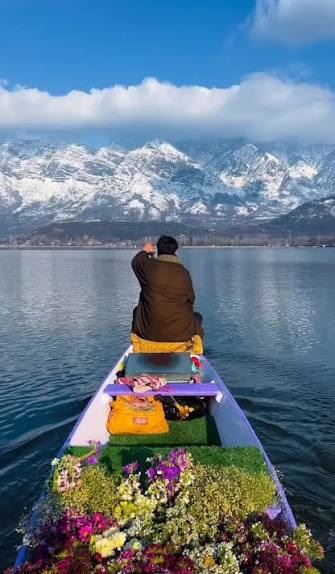
Kashmir & Ladakh Experiential Travel 2026: Gurez Valley, Great Lakes Trek & Leh Bike Trips
By: JKL Travels – Kashmir Travels | Aug 2026
A shikara gliding across Dal Lake at dawn is still the photograph everyone takes. But increasingly, the trip doesn’t end there — it continues north into a valley most Indians have never heard of, up a seven-day trail past five alpine lakes, and onto a highway that climbs higher than most people will ever stand. This is what “experiential travel” actually looks like in Kashmir and Ladakh this year.
For a long time, a Kashmir holiday meant a fairly fixed script: land in Srinagar, take the shikara ride, do the gardens, maybe push on to Gulmarg or Pahalgam, then fly home. It was — and still is — a genuinely lovely script. But 2026’s traveller is rewriting it, adding chapters that didn’t exist in the brochure a few years ago: a remote valley near the Line of Control that only opened to foreign visitors in 2025, a seven-day trek past lakes most Indians can’t name, and a Himalayan highway trip increasingly booked as a bucket-list ride rather than a supply route.
Here’s what’s actually driving this shift, checked against what’s happening on the ground rather than just what’s trending in a keyword tool.
Dal Lake and the Tulip Season: The Classics, Still Working Hard
Some things earn their popularity honestly, and the Dal Lake shikara ride is one of them. It remains the single most searched, most photographed, most universally recognisable Kashmir experience — equally central to honeymoon packages and family holidays, equally striking at sunrise, sunset, or lit up for a private evening dinner on the water.
The Kashmir Tulip Festival has become its spring counterpart. The Indira Gandhi Memorial Tulip Garden in Srinagar — recognised as Asia’s largest — typically opens in mid-to-late March and stays in bloom through most of April, with peak colour usually in the first two weeks of April. Recent seasons have drawn well over eight lakh visitors across the roughly month-long window, with single-day footfall crossing 80,000 on the busiest weekends. At a modest entry fee (around ₹75 for adults), it has become the rare Kashmir experience that’s genuinely accessible to budget travellers, not just honeymoon-package couples.
Gulmarg’s Gondola — one of the highest cable car systems in Asia, climbing toward Apharwat Peak — and Pahalgam’s Betaab Valley, named for the 1980s Bollywood film shot there and still pulling in visitors chasing that same cinematic backdrop, round out what’s become Kashmir’s reliable core circuit.
Sample 5N/6D Itinerary: Srinagar – Tulip Season – Gulmarg – Pahalgam
| Day | Experience |
|---|---|
| Day 1 | Arrive Srinagar → houseboat check-in → sunset shikara ride on Dal Lake |
| Day 2 | Indira Gandhi Tulip Garden (seasonal) or Mughal Gardens → local handicraft market |
| Day 3 | Drive to Gulmarg → Gondola Phase 1 & 2 to Apharwat Peak → meadow walk |
| Day 4 | Return to Srinagar → leisure evening, Pashmina & saffron shopping |
| Day 5 | Day trip to Pahalgam → Betaab Valley → riverside time |
| Day 6 | Departure from Srinagar |
💰 Tentative Cost (per couple, 3-star base): ₹24,000–₹36,000 for stay, transfers, and gondola access, excluding flights. Add ₹2,000–₹4,000 for a private houseboat dinner or tulip garden guided tour.
Do’s & Don’ts — Srinagar, Gulmarg & Pahalgam
| ✅ Do | ❌ Don’t |
|---|---|
| Book houseboats and gondola slots in advance during peak season (April, Dec–Feb) | Assume walk-in availability during tulip season or Christmas–New Year week |
| Carry a light jacket even in summer — evenings on Dal Lake turn cool fast | Skip layered clothing for Gulmarg — temperatures swing sharply through the day |
| Negotiate shikara and houseboat rates through your operator, not dockside touts | Pay full amount upfront to unverified local vendors |
| Visit the Tulip Garden early morning for fewer crowds and better light | Plan a same-day Gulmarg-and-Pahalgam combo — the drive times don’t comfortably allow it |
Gurez Valley: Kashmir’s Genuinely New Frontier
If one destination captures where Kashmir tourism is actually heading in 2026, it’s Gurez Valley — and unlike a lot of “hidden gem” marketing, this one holds up under scrutiny.
Gurez sits roughly 123 km north of Srinagar, close to the Line of Control in Bandipora district, and was officially opened to foreign tourists only in February 2025 after decades of restricted access. It’s home to the Dard-Shin community, whose Shina language and distinct culture survive in only a handful of Himalayan valleys. The Kishanganga River runs through it, the Habba Khatoon peak stands sentinel over it, and the valley is snow-free — and accessible — only from June to September. It’s already been recognised as one of India’s best offbeat destinations, and Jammu & Kashmir’s tourism department has since flagged plans to develop it further.
Calling it “the new Ladakh” is more a traveller’s shorthand than an official title — but the comparison isn’t baseless. Gurez genuinely sits at a rare meeting point between Kashmir’s greenery and Ladakh’s high-altitude starkness, which is exactly why offbeat-travel searches for it have been climbing.
One practical note: because of its location near the LoC, travel to Gurez typically requires prior permits and is best arranged through a registered local operator familiar with current requirements — this isn’t a spontaneous, self-drive detour.
Sample 4N/5D Itinerary: Srinagar – Gurez Valley Offbeat Trail
| Day | Experience |
|---|---|
| Day 1 | Arrive Srinagar → permit formalities → drive toward Bandipora, overnight en route |
| Day 2 | Drive to Gurez via Razdan Pass → homestay/guesthouse check-in → evening by the Kishanganga River |
| Day 3 | Village walk through Tulail Valley → Habba Khatoon peak viewpoint → local Dard-Shin cultural interaction |
| Day 4 | Explore Dawar village and surrounding meadows → return drive toward Srinagar |
| Day 5 | Arrive Srinagar → evening Dal Lake shikara ride → departure |
💰 Tentative Cost (per couple, 3-star/homestay base): ₹20,000–₹30,000 for stay, permits, and transfers, excluding flights to Srinagar.
Do’s & Don’ts — Gurez Valley
| ✅ Do | ❌ Don’t |
|---|---|
| Arrange permits well in advance through a registered local operator | Attempt a self-drive trip without confirming current permit requirements |
| Carry cash — ATMs and card payments are unreliable this far out | Expect luxury-hotel amenities; homestays and basic guesthouses are the norm |
| Respect local customs when photographing the Dard-Shin community — ask first | Treat the valley as a rushed day-trip; it rewards a slower, 2–3 night stay |
| Travel between June and September only | Plan a Gurez trip outside this window — roads close with the first snow |
The Kashmir Great Lakes Trek: Seven Days, Five Lakes, One Short Window
For travellers who want Kashmir on foot rather than by road, the Kashmir Great Lakes Trek has become the standout choice — and 2026’s Instagram-and-vlog-driven adventure boom has only accelerated its popularity.
This is a genuine trek, not a casual walk: roughly 74 km over 7–8 days, crossing three high-altitude passes (Nichinai, Gadsar, and Zaj), reaching heights of around 13,750 ft, and rated moderate-to-difficult. It starts from a base camp near Sonamarg and winds past a chain of alpine lakes — Vishansar, Krishansar, Gadsar, Satsar, and Gangbal — each with a distinct character, from mirror-still meadow lakes to ones still rimmed with snow in early season.
The trek has a genuinely short operating window: late June through early-to-mid September, once the high passes clear of snow. July brings lush, wildflower-covered meadows with occasional rain; August is generally considered peak season for stable weather and vivid lake colour; September offers golden grasslands, thinner crowds, and crisper air. Outside this window, the passes are simply unsafe.
Sample 7N/8D Trek Itinerary: Sonamarg – Great Lakes – Naranag
| Day | Experience |
|---|---|
| Day 1 | Arrive Srinagar → drive to Sonamarg → base camp briefing |
| Day 2 | Sonamarg to Nichinai Pass base → first high-altitude camp |
| Day 3 | Cross Nichinai Pass → descend to Vishansar Lake |
| Day 4 | Vishansar to Krishansar Lake → short acclimatisation trek |
| Day 5 | Cross Gadsar Pass (highest point, ~13,750 ft) → camp at Gadsar Lake |
| Day 6 | Gadsar to Satsar — cluster of alpine lakes |
| Day 7 | Satsar to Gangbal Lake beneath Mount Harmukh → final camp |
| Day 8 | Descend to Naranag → drive back to Srinagar |
💰 Tentative Cost (per person, standard trek package): ₹15,000–₹20,000 for guided trekking, permits, camping, and meals, excluding travel to the Srinagar/Sonamarg base point.
Do’s & Don’ts — Kashmir Great Lakes Trek
| ✅ Do | ❌ Don’t |
|---|---|
| Train for cardio and stamina at least 3–4 weeks before the trek | Attempt this trek as your very first high-altitude trek without any prior conditioning |
| Book through a certified operator with proper permits and guides | Trek independently without a guide — the passes and weather are genuinely unpredictable |
| Carry layered thermal wear even in August — nights at altitude drop below freezing | Pack only summer clothing because it’s “monsoon season” down in the plains |
| Acclimatise properly and drink plenty of water | Ignore early symptoms of altitude sickness — descend and inform your guide immediately |
| Travel between late June and mid-September only | Plan this trek for October or later — the passes become snowbound and unsafe |
Ladakh: Where the Road Trip Becomes the Destination
If Kashmir’s 2026 story is about going deeper, Ladakh’s is about going further — and increasingly, the journey itself has become the main attraction rather than a means to reach one.
The Leh-Ladakh bike trip has exploded as a category of its own, fuelled heavily by reels and vlogs that turn the ride itself into content. Khardung La, one of the world’s highest motorable passes, remains the trophy waypoint every biker wants crossed off. Pangong Lake continues to be Ladakh’s most Instagrammed location — its glassy, colour-shifting water drawing campers and stargazers as much as day-trippers, thanks in part to clear high-altitude night skies that are genuinely rare to experience elsewhere in India. Nubra Valley, meanwhile, offers something almost nowhere else in the Himalayas does: a cold desert with actual sand dunes, where a double-hump Bactrian camel ride sits improbably at the foot of snow-capped peaks.
As with Gurez, there’s a hard seasonal reality behind all of this: Ladakh’s roads and passes are genuinely accessible only from roughly May through September. That window isn’t a marketing suggestion — it’s determined entirely by when the snow clears.
Sample 6N/7D Itinerary: Leh – Khardung La – Nubra Valley – Pangong Lake
| Day | Experience |
|---|---|
| Day 1 | Arrive Leh → acclimatisation day, complete rest, hydrate |
| Day 2 | Leh local sightseeing — Shanti Stupa, Leh Palace, local markets |
| Day 3 | Ride/drive over Khardung La → descend into Nubra Valley → sand dunes, camel ride |
| Day 4 | Nubra Valley monastery visits — Diskit, Hunder → riverside stay |
| Day 5 | Drive to Pangong Lake via Shyok route → sunset by the water → overnight camping |
| Day 6 | Sunrise at Pangong → return to Leh → local leisure evening |
| Day 7 | Departure |
💰 Tentative Cost (per person, 3-star/guesthouse base): ₹16,000–₹22,500 for a shared bike-trip package covering stay, permits, and a support vehicle; private or fully customised trips typically run higher, in the ₹22,000–₹32,000 range.
Do’s & Don’ts — Leh, Nubra & Pangong
| ✅ Do | ❌ Don’t |
|---|---|
| Spend a full day acclimatising in Leh before heading to any higher pass | Rush straight to Khardung La or Pangong on arrival day — altitude sickness risk is real and serious |
| Carry your Inner Line Permit (arranged in advance) for Nubra and Pangong | Assume permits can always be arranged on the spot — plan ahead, especially in peak season |
| Fuel up fully in Leh — petrol pumps are scarce beyond it | Rely on finding fuel stations along the Nubra or Pangong route |
| Pack warm layers even in summer — nights at Pangong regularly drop near freezing | Travel outside May–September expecting the passes to be open |
| Travel in a group or with a support vehicle for biking trips | Attempt a solo bike trip through remote stretches without backup or connectivity |
The Bigger Pattern: Slow Travel, Workations, and Conscious Trekking
Underneath the individual destination trends sits a broader shift worth naming. Searches for “slow travel,” “workation in the Himalayas,” and “eco-conscious trekking” have been climbing alongside the more obvious adventure keywords — suggesting that at least some of this boom isn’t about ticking off landmarks quickly, but about staying longer, moving slower, and treading more lightly in places like Gurez and the Great Lakes trail that are only just opening up to wider tourism.
That’s a meaningful distinction for both travellers and operators. A valley like Gurez, still building out its tourism infrastructure, benefits far more from travellers who stay a few unhurried days than from a rushed day-trip crowd — and the operators aligning with that slower, more respectful pace (rather than just chasing the trending keyword) are the ones likely to serve the region best long-term.
The Essentials: What to Pack, What to Skip
- Documents: Government-issued photo ID (mandatory everywhere), permits for Gurez and Ladakh’s inner-line areas, printed hotel/trek confirmations for remote areas with patchy connectivity.
- Clothing: Layered thermal wear, a windproof outer jacket, gloves, and a warm cap — even for “summer” trips to Gurez, the Great Lakes, or Ladakh, since nights at altitude turn cold fast regardless of the calendar.
- Footwear: Broken-in trekking shoes with ankle support for the Great Lakes Trek; sturdy, comfortable walking shoes for Gurez and Ladakh sightseeing.
- Health: A basic altitude-sickness kit (as advised by your doctor or operator), enough drinking water, and a couple of buffer acclimatisation days built into any Ladakh or high-altitude itinerary.
- Connectivity: Expect little to no mobile network in Gurez, along the Great Lakes trail, and in stretches near Pangong — download offline maps and inform someone of your route in advance.
- Money: Carry sufficient cash for Gurez and remote Ladakh stretches; card and UPI payments become unreliable well outside Srinagar and Leh city limits.
Seasonal Cheat Sheet
- Kashmir Tulip Festival: Mid-to-late March through most of April; peak bloom in the first two weeks of April.
- Gurez Valley: Accessible June to September only; snowbound the rest of the year.
- Kashmir Great Lakes Trek: Late June to early/mid-September; August generally offers the most stable weather.
- Ladakh bike trips (Leh, Nubra, Pangong): Roughly May to September, dictated by when high passes open.
- Gulmarg skiing and winter tourism: December to February.
Frequently Asked Questions
Q1. Is Gurez Valley actually open to tourists now, or is it still restricted? It’s open — Gurez was officially opened to foreign tourists in February 2025, following earlier domestic access. Given its location near the Line of Control, travel typically requires prior permits, best arranged through a registered local operator.
Q2. How difficult is the Kashmir Great Lakes Trek for a first-time trekker? It’s rated moderate-to-difficult — around 74 km over 7–8 days with three high-altitude passes. Fit beginners can attempt it with proper preparation and a good operator, but it demands real stamina: 6–8 hours of walking daily at altitude.
Q3. Is Gurez Valley really comparable to Ladakh? It’s more of a traveller’s nickname than an official comparison, but it holds some truth — Gurez sits at a rare meeting point between Kashmir’s green valleys and Ladakh’s high-altitude starkness, which is exactly what’s drawing offbeat-travel interest.
Q4. What’s the best month for the Kashmir Great Lakes Trek? August is generally considered the most stable, with clearer skies and full, vividly coloured lakes. July offers lush wildflower meadows but a slightly higher chance of rain; September brings fewer crowds and crisper air as the season winds down.
Q5. Can beginners do a Leh-Ladakh bike trip, or does it require serious riding experience? Guided group bike trips with support vehicles are increasingly beginner-friendly, though the altitude — not the riding itself — is usually the bigger challenge. Proper acclimatisation in Leh before heading to higher passes is essential regardless of riding experience.
Q6. When should I book a Gurez Valley or Great Lakes Trek trip? Both have short, fixed seasons — Gurez from June to September, the Great Lakes Trek from late June to early/mid-September. Booking several weeks ahead is advisable, since accommodation and trek slots in these developing, less-commercialised areas can be limited compared to mainstream Kashmir circuits.
Q7. Is Pangong Lake worth visiting outside of the road-trip season? Not really recommended — like the rest of Ladakh’s high-altitude circuit, Pangong is genuinely accessible only from roughly May to September, when the connecting passes are open.
Q8. What’s a realistic total budget for combining Kashmir’s offbeat spots with a Ladakh bike trip? Expect roughly ₹20,000–₹30,000 per couple for a Gurez Valley extension, ₹15,000–₹20,000 per person for the Great Lakes Trek, and ₹16,000–₹22,500 per person for a shared Ladakh bike trip — these are typically booked as separate trips given their different seasons, rather than one combined itinerary.
The Takeaway
The through-line across Gurez Valley, the Great Lakes Trek, and Ladakh’s bike-trip boom isn’t really about any single destination — it’s about a traveller who’s grown a little tired of the fixed script and is actively looking for the version of Kashmir and Ladakh that hasn’t already been fully mapped, filtered, and captioned. Operators paying attention to that shift — the ones building genuinely slower, more experiential itineraries around these newly accessible or newly trending spots, rather than just repackaging the same Srinagar-Gulmarg-Pahalgam loop with a trendier keyword — are the ones best positioned for where this region’s tourism is actually heading in 2026.
Editorial note on sourcing: Gurez Valley’s 2025 opening to foreign tourists, its geography and seasonal accessibility, the Kashmir Great Lakes Trek’s route, distance, difficulty, and seasonal window, and the Tulip Garden’s bloom dates and visitor figures have been cross-checked against current public reporting at the time of writing. Cost ranges reflect patterns reported by trek and tour operators and should be read as indicative, since actual rates vary by group size, season, and operator.
