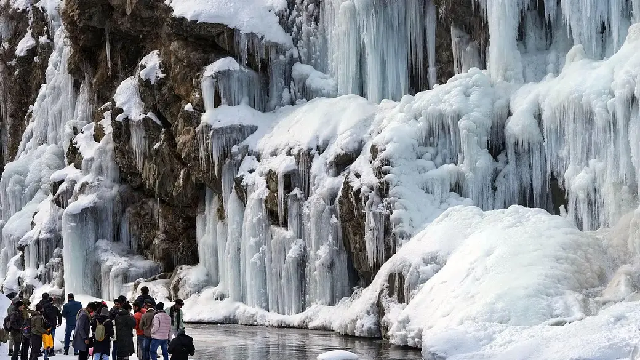
Kashmir 2026–27: Snow, Saffron & Secret Valleys — The Smart Way to Plan Your Trip with JKL Travels
By: JKL Travels – Kashmir Travels | October 2026
The Valley Is Calling — and Everyone Is Answering
Picture a shikara drifting across Dal Lake at first light, mist lifting off the water, the Zabarwan hills turning from grey to gold. Now picture doing it without a peak-weekend scramble, because you picked the right week, the right stay and the right guide.
That’s the Kashmir travellers are chasing this year. Between May and July 2026, the Valley recorded about 8 lakh visitors, more than four times the same stretch of 2025, when arrivals collapsed after the Pahalgam attack. Part of that jump is a rebound from a very low base, and hoteliers say total footfall is still below pre-attack levels. But the direction is clear: people are coming back, and they’re arriving with questions. Is it safe? When should we go? Where’s the snow? Can we get to Srinagar by train? What’s worth seeing beyond Gulmarg?
This guide answers those questions. It covers what has actually changed in Kashmir this year, how the seasons play out, where the quieter valleys are, and how to plan a trip that’s smooth, responsible and good value, with JKL Travels handling the details you’d rather not.
What’s Different About Kashmir in 2026
1. The comeback is real, and so are the crowds
Arrivals climbed month after month through the summer: roughly 2.2 lakh in May alone, against fewer than 19,000 in May 2025. Tourism officials reported heavy rushes at Gulmarg, Sonamarg and Pahalgam as early as spring. Next door, Ladakh logged about 55,600 arrivals in September 2026, up around 60 per cent on a year earlier, and its January–September total already exceeds all of 2025. What it means for you: gondola slots, houseboats and Pahalgam stays fill early again. Book weeks ahead, not days.
2. Indians are choosing home
When the Middle East conflict escalated at the end of February 2026 and airspace restrictions hit Gulf transit hubs, many Indian travellers rethought international plans. One travel-agency head reported 25–35 per cent disruption on Europe and US routes that normally connect through the Gulf, while trade reports noted a modest 7–10 per cent rise in domestic bookings. Hill stations in Himachal and Uttarakhand, Kashmir, Ladakh and the Northeast drew fresh interest. Shorter, closer, more flexible trips are the mood of the year, and Kashmir suits that mood well.
3. The train changed the map
Since June 2025, Vande Bharat trains have linked Katra and Srinagar in about three hours over the 272-km Udhampur–Srinagar–Baramulla rail link, a line with 37 tunnels and the Chenab bridge, the world’s tallest railway bridge. For travellers that means a weather-resistant way in, less dependence on a highway prone to landslide closures near Ramban, and an easy Vaishno Devi-plus-Kashmir combination. In the first summer, seats sold out weeks ahead, so rail needs the same early booking as flights. A direct Delhi–Srinagar Vande Bharat sleeper has been announced repeatedly, but we haven’t seen a confirmed start date, so don’t build a trip around it yet. We’ll update this page when it runs.
4. Reopened and rebuilt
After the April 2025 attack in Pahalgam, authorities closed nearly 50 tourist spots as a precaution and reopened them in phases. By mid-February 2026, 42 of the roughly 48 closed sites were open again, including Yousmarg, Doodhpathri, Thajiwas Glacier and the Tulip Garden, with tighter security at reopened locations. Gurez, Bangus and Athwatoo were slated to follow once snow cleared. Conditions can still change at short notice, which is why we check official updates before every departure [JKL to confirm process].
5. New reasons to visit
Srinagar’s Tulip Garden opened on 16 March 2026, earlier than usual, with about 1.8 million bulbs, and drew close to 4 lakh visitors in its first month, mostly domestic tourists. National skiers competed at Gulmarg in the Khelo India Winter Games in late February. The administration is also pushing sports tourism (a Kashmir Marathon is being developed as a flagship event) and has proposed developing nine new destinations, among them Doodhpathri, Kokernag, Bangus and Wular–Manasbal, to spread visitors beyond the big three of Gulmarg, Pahalgam and Sonamarg.
Best Time to Visit Kashmir: A Season-by-Season Calendar
‘Best time to visit Kashmir’ is the question we hear most, and the honest answer is: it depends on what you want to see.
| Season | Months | What you’ll see | Best for | Plan around |
|---|---|---|---|---|
| Spring | March–April | Tulip Garden in bloom (it opened on 16 March in 2026), almond blossom, mild days | Couples, photographers, first-timers | Bloom dates shift with weather; weekends and holidays get busy |
| Summer | May–August | Green meadows at Pahalgam, Sonamarg and Aru; Gurez road opens from about mid-June | Families, trekkers, groups | Peak crowds and prices; book stays and cabs early |
| Autumn | September–November | Golden chinar leaves, crisp skies, saffron harvest at Pampore (late October to early November) | Photographers, slow travellers, honeymooners | Nights turn cold in November; the saffron bloom is short and weather-dependent |
| Winter | December–February | Snow at Gulmarg, frosty Dal Lake mornings, cosy houseboat evenings | Snow lovers, beginner skiers, New Year trips | Coldest from late December to January; roads and the gondola can close in storms |
Best time to visit Kashmir in winter: late December to February gives the most dependable snow at Gulmarg, and January is the coldest stretch, part of the traditional 40-day Chillai Kalan. If you want snow without the Christmas–New Year price spike, look at late January or February.
Best time for honeymooners: spring for tulips and soft light, or October to mid-November for chinar gold and quieter lanes.
Best time for Gurez and other high valleys: roughly mid-June to September. Roads typically open around mid-June and stay usable until about mid-October, weather permitting.
Winter 2026–27: Snow, Skiing and Smart Booking
Winter is Kashmir’s most searched season, and Gulmarg is the reason: India’s best-known snow resort, with a two-stage gondola that climbs towards the Apharwat ridge. Interest tracks the weather closely. During a prolonged dry spell in an earlier winter, Google Trends showed searches such as ‘snowfall in Kashmir’ and ‘best time to visit Kashmir for snow’ surging as people waited for the first flakes.
Snow is never guaranteed. In 2025, the Gulmarg leg of the Khelo India Winter Games had to be pushed back from late February to March for lack of snow. In 2026 the Gulmarg events ran in late February after a snowier season. Build a spare day into any Gulmarg plan.
Book the gondola properly. Tickets are sold online through the J&K Cable Car Corporation portal, with no walk-up counter, and peak-season slots go fast. Indicative 2026 fares are around ₹740–800 for Phase 1 and ₹920–1,000 for Phase 2; confirm at booking. Phase 2 releases fewer tickets than Phase 1, so reserve both together. In 2025 the Valley’s top trade body asked the government to investigate ticketing fraud around the gondola, which is why we book only through the official channel [JKL to confirm].
Respect winter hazards. An avalanche hit Sonamarg in January 2026, and access to some offbeat spots changed repeatedly at short notice through 2025 and 2026. Keep winter bookings flexible and have a snow-day Plan B: the Mughal gardens, Pari Mahal, an old-city food walk, and long evenings over kahwa and Wazwan.
Affordable ski trips from Delhi in December. Our winter plans bundle Delhi–Katra rail or flights, Srinagar and Gulmarg stays, gear rental and a beginner lesson, with two nights in Gulmarg so one bad-weather day doesn’t cost you the snow [JKL to confirm inclusions]. Marketplace data points to late November and early March as the cheapest windows, but Gulmarg’s peak in January and February is when snow is most dependable, so you’re partly paying for certainty. For Christmas and New Year dates, we suggest booking eight to ten weeks ahead.
Offbeat Kashmir: Gurez, Bangus, Doodhpathri and the Quiet Valleys
Travellers who have done Srinagar–Gulmarg–Pahalgam are asking for more, and the administration is steering visitors the same way by developing lesser-known destinations.
Gurez Valley is the headline act. This remote Himalayan valley near the Line of Control offers wooden villages, the Kishanganga River and the dramatic Habba Khatoon peak. The Chief Minister told the Assembly that Gurez won the Best Off-Beat Destination in India (Gold) award in 2022, and June 2026 reports named it the most popular pick among border-belt destinations, alongside Keran and Tangdhar. Carry original photo ID; checkpoint registration applies, and rules can change, so we confirm requirements before you travel.
Bangus Valley in Kupwara is a huge bowl of meadows and forest, split into Bod Bangus and Lokut Bangus, with its entrance about 9 km north of Kupwara town. It rewards travellers who want space and silence.
Doodhpathri sits about 42 km from Srinagar at roughly 8,957 feet, which makes it the easiest offbeat add-on. It was among the sites reopened in February 2026.
Yusmarg, Aharbal, Naranag, Watlab, Lolab and Warwan range from easy day trips to demanding multi-day journeys. We match them to your pace and fitness.
Looking ahead: in 2025 the administration began assessing skiing potential at seven new sites, four in the Valley (Sonamarg, Doodhpathri, Tosamaidan and Bangus) and three in Jammu (Sarthal, Sanasar–Patnitop and Bhaderwah). It’s an early sign of where winter tourism may expand.
Beyond the Valley: Jammu, Katra and the Rail Circuit
Jammu and Kashmir isn’t only the Valley. Vaishno Devi drew more than 69 lakh visitors in 2025, according to figures given to the Legislative Assembly, and Shiv Khori about 10.5 lakh. Officials have been urging pilgrims to stay longer in the region, pointing to Patnitop, Sanasar, Bhaderwah, Mansar–Surinsar and the Chenab rail bridge as add-ons.
Our Katra-to-Kashmir circuit ties it together: Delhi to Katra by rail, darshan, the Vande Bharat on to Srinagar, then Gulmarg and Pahalgam, and home via Srinagar or Jammu.
Heading on to Ladakh? The Srinagar–Leh road over Zojila is still a seasonal route. A breakthrough in the Zojila tunnel in June 2026 was a milestone, but the road transport minister has put completion at around February 2028, so combined Kashmir–Ladakh trips remain a late-spring-to-autumn product for now.
Experiences Travellers Are Booking Right Now
The multi-stay ‘hotel hop’. Expedia’s Unpack ’26 report found that more than half of travellers now book more than one hotel within a single destination. Kashmir is made for it: a houseboat on Dal or Nigeen Lake, a pine-view cottage in Gulmarg, a riverside stay in Pahalgam.
Honeymoons with a story. Searches for the best honeymoon packages in North India keep leading to Kashmir. Think a houseboat dinner on still water, a sunset shikara, a gondola ride above the snow line and a quiet night by the Lidder River.
Chinar and saffron season. Autumn departures built around golden chinar avenues and the Pampore saffron harvest are already being sold for October and November dates. The flowers are picked in a short window of roughly ten to fifteen days from late October, and weather decides everything, so we always carry a backup plan.
Food trails. A Wazwan feast, saffron-and-almond kahwa and the old city’s bakeries make a full day out in themselves.
Group trips and college reunions. Cottage clusters in Gulmarg or Pahalgam, chartered transport and a shared itinerary with free afternoons make Kashmir an easy reunion destination [JKL to confirm group services].
Slow family travel. Fewer hotel changes, shorter drives, rail instead of road, and unhurried mornings in the Mughal gardens suit grandparents and young children alike.
Travel Responsibly: Kashmir’s Beauty Has a Carrying Capacity
In July 2026, Chief Minister Omar Abdullah told a sustainable tourism conclave that Jammu and Kashmir should move from volume to value, assess carrying capacity destination by destination, and cut single-use plastic. He noted that Srinagar can take far more visitors than fragile places like Gulmarg or Gurez. Separately, the Lieutenant Governor has said that around 90 per cent of the roughly 5,000 hotels built in the Valley over six years are unauthorised, a figure some hoteliers dispute. The message for travellers is simple: choose licensed stays, skip single-use plastic, stay on marked trails and keep noisy vehicles out of meadows.
Here’s how we try to travel lightly [JKL to confirm each point]: licensed properties only, small groups in places like Gurez and Bangus, local guides, drivers and homestay hosts wherever possible, refillable bottles on every trip, and honest advice when a place is too crowded to enjoy.
Planning Your Trip: Budget, Booking and Getting There
What does a Kashmir trip cost?
Prices vary widely by season, hotel category and what’s included. Basic land packages on major marketplaces start from around ₹12,000 per person, and one operator guide puts typical land-only daily costs at about ₹4,500–6,000 for budget trips, ₹7,000–9,000 for mid-range and ₹12,000–18,000 for luxury. Treat those as ballparks, not quotes. Two traps to watch: headline prices that exclude flights (return fares can add ₹10,000 or more depending on your city), and budget packages that leave out gondola tickets, pony rides, shikara rides, monument entry fees and some meals. Ask for a written inclusions-and-exclusions list before you pay anything.
Getting there
By rail. Take a Delhi–Katra train, then the Vande Bharat on to Srinagar (about three hours). On the schedules we last saw published, the morning Delhi–Katra Vande Bharat reaches Katra in mid-afternoon and there are morning and afternoon Katra–Srinagar departures, so a same-day Delhi–Srinagar journey is possible on paper. The connection is tight, so we normally build in a buffer or a night in Katra or Jammu. These trains are chair car and executive class only, with no sleeper berths, and they sell out early.
By air. Srinagar airport runs a daytime operating window (roughly 8 am to 5 pm), with night closures for runway maintenance continuing through October 2026. After tourism groups and the Chief Minister objected, the airport dropped its plan for full-day closures this year. Check your airline’s timings and keep spare time on your first and last days.
By road. The Jammu–Srinagar highway is scenic but can close because of landslides and shooting stones around Ramban, one reason rail is winning converts.
A sample 7-day Kashmir plan
- Day 01: Arrive in Srinagar, check in to a houseboat, sunset shikara ride on Dal Lake.
- Day 02: Mughal gardens (Nishat and Shalimar), Pari Mahal, the old city and a traditional Wazwan dinner.
- Day 03: Day trip to Sonamarg and Thajiwas Glacier (or Doodhpathri or Yusmarg if roads are closed), back to Srinagar.
- Day 04: Drive to Gulmarg for the Phase 1 gondola and meadow or snow time.
- Day 05: Spare day in Gulmarg for Phase 2, skiing or sledging, kept flexible for weather.
- Day 06: Gulmarg to Pahalgam via Pampore’s saffron fields and the Awantipora ruins, then a Lidder River evening.
- Day 07: Pahalgam morning, then on to Srinagar for your flight or train.
Pack smart
Original photo ID (needed at checkpoints and some hotels), warm layers even in shoulder season, sunglasses (snow glare is fierce), a power bank, and some cash for villages with patchy card or network coverage.
JKL Travels Signature Kashmir Journeys
| Journey | Duration | Best months | Highlights | Price per person |
|---|---|---|---|---|
| Rediscover Kashmir (classic circuit) | 5N/6D | April–November | Srinagar, Mughal gardens, Hazratbal, Sonamarg and Thajiwas, Gulmarg, Pahalgam, saffron fields, shikara ride | [Confirm; a marketplace listing shows ₹28,800] |
| Gulmarg Winter Snow Break | 5N/6D | December–February | Two nights in Gulmarg, gondola, snow activities, beginner ski lesson, Srinagar sights | [Add price] |
| Chinar & Saffron Autumn Escape | 4N/5D | October–mid-November | Chinar avenues at Naseem Bagh, Pampore saffron fields (season permitting), Nigeen Lake shikara, Wazwan dinner | [Add price] |
| Kashmir Honeymoon | 6N/7D | Year-round | Houseboat plus Gulmarg cottage, candlelit lakeside dinner, Pahalgam riverside stay | [Add price] |
| Offbeat Kashmir: Doodhpathri–Gurez–Bangus | 7N/8D | Mid-June–September | Quiet valleys, village homestays, easy treks, small groups | [Add price] |
| Katra-to-Kashmir Rail Circuit | 6N/7D | Year-round | Vaishno Devi darshan, Vande Bharat to Srinagar, Gulmarg and Pahalgam | [Add price] |
| Group & Reunion Trips | 5–8 days | Year-round | Private cottages or villas, chartered transport, shared itinerary | [Quote on request] |
Every journey can be customised: swap Pahalgam for Doodhpathri, add a Srinagar–Leh extension in summer, or stretch a long weekend into a full week.
Why Travel with JKL Travels
- Local know-how, not just bookings. [Add years in operation, J&K Tourism registration number and team size.] We check road, weather and security updates before every departure and rework your plan if the Valley changes it.
- Winter-proof planning. Heated rooms confirmed in writing, a buffer day around Gulmarg, a snow-day Plan B for every day, and [flexible date-change policy, confirm].
- No surprise costs. Every quote lists what’s in and what’s out, including the gondola, ponies, shikara rides and entry fees that budget packages often skip.
- Official-channel tickets. Gondola and other attraction tickets are booked through official portals only [confirm].
- Rail-and-air savvy. We plan around Vande Bharat availability and Srinagar’s flight windows so your first and last days don’t unravel.
- Responsible by design. Licensed properties, local guides and drivers, and small groups in fragile places.
- Built for your kind of trip. Honeymoons, families, college reunions and corporate offsites [confirm business travel services].
- Human help on the trip. [24×7 phone and WhatsApp support, confirm.]
Frequently Asked Questions
Is Kashmir safe for tourists in 2026? More than 12 lakh tourists visited the Valley in the first seven months of 2026, and authorities have reopened most of the sites closed after the April 2025 Pahalgam attack, with added security at those locations. Conditions can change, so check official advisories before you travel. JKL monitors updates before every departure and can reroute your plan if needed [confirm].
What’s the best time to visit Kashmir in winter? Late December to February for dependable snow at Gulmarg, with January the coldest month. For fewer crowds, aim for late January or February rather than Christmas–New Year week.
How do I plan a 7-day Kashmir trip? Split the week into two to three nights in Srinagar, two in Gulmarg and one to two in Pahalgam, with a spare day for weather. Use the sample plan above or ask us to build one around your dates and budget.
How much does a Kashmir trip cost per person? Basic land-only packages start around ₹12,000, while mid-range trips run about ₹7,000–9,000 a day for land costs, so a six-day mid-range trip lands well above that. Winter peaks and festive weeks cost more. Always ask for written inclusions and exclusions.
Can I go from Delhi to Srinagar by train? Yes, in two legs: a Delhi–Katra train, then the Vande Bharat to Srinagar in about three hours. A direct sleeper has been announced but isn’t confirmed as running.
Do I need to pre-book the Gulmarg gondola? Yes. Tickets are sold online through the J&K Cable Car Corporation portal and peak-season slots sell out, so book before you travel.
Is Gurez open, and do I need a permit? The road usually opens around mid-June and stays accessible until about mid-October, weather permitting. Indian tourists generally need original photo ID and checkpoint registration. Rules vary and change, so we confirm before departure.
Can I combine Vaishno Devi with Kashmir? Yes. Our Katra-to-Kashmir circuit pairs darshan with the Vande Bharat to Srinagar, then Gulmarg and Pahalgam.
Where can I find a reliable travel agency near me for Kashmir? JKL Travels is based at [office address and city], and we plan trips by phone, WhatsApp or video call wherever you live [confirm].
Ready to Plan Your Kashmir Trip?
Winter slots, New Year dates and autumn departures fill quickly. Tell us your dates, group size and budget, and we’ll send a day-by-day plan with a clear inclusions list. [Add early-bird offer if applicable.]
JKL Travels ·
Phone / WhatsApp: +91 88033 24 365 | +91 97960 24 365
Email: Sales@KashmirTravels.in | Sales@JKLTravels.com
Website: www.JKLTravels.com | www.KashmirTravels.in ·
Office address: 304 Wani Manzil, Lambert Lane, Residency Road, Srinagar 190 001
Prices, schedules and conditions change; please confirm before you travel.
