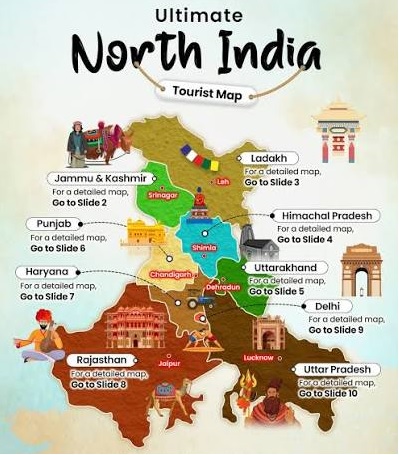
North India Travel Boom 2026: Kashmir, Ladakh, Vaishno Devi & Himachal Guide | JKL Travels
By: JKL Travels – Kashmir Travels | Aug 2026
A houseboat proposal on Dal Lake. A biker’s honeymoon across Ladakh’s moonscape. A mother and daughter climbing toward Vaishno Devi at dawn. A couple renewing their vows at the Golden Temple. Four completely different journeys, one region making them all possible — and 2026 is the year North India stopped being a seasonal detour and became the destination itself.
There’s a pattern showing up in travel searches this year that’s hard to ignore. It isn’t confined to one festival, one season, or one type of traveller. From honeymooners scouting Dal Lake houseboats to families locking in Vaishno Devi slots months in advance, from adventure couples eyeing a Pangong Lake ring ceremony to retirees planning an Amritsar anniversary trip — North India is pulling in nearly every kind of traveller, for nearly every kind of reason, almost year-round.
That’s not a small claim, so let’s back it up properly — region by region, season by season, with real itineraries and honest numbers, cross-checked against what’s actually happening on the ground in 2026.
📞 Planning your own North India journey? JKL Travels builds custom itineraries across Kashmir, Ladakh, Himachal, and pilgrimage circuits. Call +91 97960 24365 or +91 88033 24365.
Kashmir: Where Romance Has an Entire Season Named After It
Kashmir’s pull in 2026 isn’t limited to winter anymore — it now has a full-year rhythm, and honeymooners are leading the charge. Searches for Dal Lake houseboat stays, private shikara rides, and Gulmarg gondola experiences are climbing steadily, driven by couples planning everything from Diwali honeymoons to Valentine’s Day proposals to spring tulip getaways.
The tulip season is a genuine standout. The Indira Gandhi Memorial Tulip Garden in Srinagar — verified as Asia’s largest tulip garden — opens its gates in mid-to-late March and runs through most of April, with peak bloom typically falling in the first two weeks of April. In recent years it has drawn well over eight lakh visitors across its roughly month-long run, with single-day footfall crossing 80,000 on the busiest days. Entry tickets are famously affordable (around ₹75 for adults), which is exactly why “budget tulip packages” are trending hard among younger travellers who want the spectacle without a luxury price tag.
What’s trending: Kashmir honeymoon packages, Dal Lake candlelight dinners, Gulmarg gondola anniversary trips, budget tulip festival packages.
🗺️ Sample 5N/6D Kashmir Honeymoon & Tulip Itinerary
| Day | Experience |
|---|---|
| Day 1 | Arrive Srinagar → houseboat check-in → sunset shikara ride on Dal Lake |
| Day 2 | Indira Gandhi Tulip Garden (seasonal) → Mughal Gardens → private candlelight dinner |
| Day 3 | Drive to Gulmarg → gondola ride to Apharwat Peak → meadow walk |
| Day 4 | Return to Srinagar → local handicraft & Pashmina shopping |
| Day 5 | Day trip to Pahalgam → Betaab Valley → riverside time |
| Day 6 | Departure |
💰 Tentative Budget (per couple, 3-star base): ₹24,000–₹36,000 for stay, transfers, and gondola rides (excluding flights). Budget-focused 4-day tulip season trips have been trending in the ₹12,000–₹15,500 per person range for stay and local transport alone.
Ladakh: Where Adventure and Romance Share the Same Road
If Kashmir is North India’s romantic centrepiece, Ladakh is fast becoming its adventurous one. Leh and Nubra Valley honeymoon circuits, biking expeditions, and — increasingly — Pangong Lake ring ceremonies (thanks in no small part to its status as one of Indian cinema’s most iconic backdrops) are driving a steady rise in searches for “adventure honeymoon Ladakh.”
What makes Ladakh distinct is the way it blends extremes: monastery visits and high-altitude biking in the same trip, a New Year adventure circuit for the boldest travellers, and increasingly, budget-conscious “pocket-friendly Ladakh package” searches from younger couples opting for eco-lodges and shared group tours over private luxury stays.
A practical note worth flagging: Ladakh’s main tourist season runs roughly May to September, when high-altitude passes are open and accessible — this is the window nearly all adventure and honeymoon circuits are built around, rather than deep winter, which brings extreme cold and limited road access.
What’s trending: Leh & Nubra adventure honeymoons, Pangong Lake destination photography and ceremonies, pocket-friendly Ladakh packages, biking expeditions.
🗺️ Sample 6N/7D Ladakh Adventure Honeymoon Itinerary
| Day | Experience |
|---|---|
| Day 1 | Arrive Leh → acclimatisation day (essential at this altitude) |
| Day 2 | Leh local sightseeing — Shanti Stupa, Leh Palace, local markets |
| Day 3 | Drive to Nubra Valley via Khardung La → sand dunes, double-hump camel ride |
| Day 4 | Nubra monastery visits → riverside stay |
| Day 5 | Drive to Pangong Lake → sunset by the water → overnight camp stay |
| Day 6 | Return to Leh → local leisure evening |
| Day 7 | Departure |
💰 Tentative Budget (per couple, 3-star/eco-lodge base): ₹32,000–₹45,000 for stay, transfers, and permits (excluding flights). Pocket-friendly shared-tour options can bring this down to roughly ₹22,000–₹28,000 per couple.
Pilgrimage Tourism: Faith That Fills Calendars Months in Advance
Spiritual travel in North India isn’t a side note — it’s one of the region’s biggest and most consistent demand drivers, and it runs on a completely different clock than leisure tourism.
Vaishno Devi is genuinely a near year-round pilgrimage, but it has clear peak windows: broadly March through June, and again around Navratri in October, when devotee numbers climb sharply. Because it’s accessible through most of the year (unlike Amarnath), families frequently combine it with a Jammu-Kashmir circuit.
Amarnath, by contrast, is a strictly summer pilgrimage — the 2026 yatra has been confirmed by the Shri Amarnathji Shrine Board to run from July 3 to August 28, a 57-day window that exists only because that’s the brief period when the high-altitude route to the ice-lingam cave is actually accessible. This narrow, fixed window is exactly why early registration and early booking aren’t just recommended — for Amarnath, they’re essential. Slots and registration windows fill up fast, and there is no “off-season workaround” the way there is with Vaishno Devi.
What’s trending: Vaishno Devi yatra packages, Amarnath pilgrimage 2026, early-registration yatra bookings, combined Vaishno Devi–Kashmir circuits.
🗺️ Sample 4N/5D Vaishno Devi + Jammu Itinerary
| Day | Experience |
|---|---|
| Day 1 | Arrive Jammu → local rest → evening Aarti at a local temple |
| Day 2 | Drive/transfer to Katra → begin trek or pony/palki ride to Bhawan |
| Day 3 | Darshan at Vaishno Devi Bhawan → descend to Katra |
| Day 4 | Local Jammu sightseeing — Bahu Fort, Raghunath Temple |
| Day 5 | Departure |
💰 Tentative Budget (per person, 3-star base): ₹9,000–₹15,000 for stay, transfers, and basic trek assistance (excluding flights/train and helicopter option, which typically adds ₹3,000–₹5,000 one-way per person).
📌 Amarnath Yatra 2026 planning tip: With the yatra confirmed for July 3–August 28, 2026, registration and medical certificate windows open months in advance. If a family member is planning to join, treat this as a “book the moment registration opens” trip, not a “decide closer to the date” one.
Himachal & Punjab: Classic Hill Charm Meets Spiritual Celebration
While Kashmir and Ladakh dominate the adventure-and-romance conversation, Himachal Pradesh and Punjab are carving out their own strong festive niche — one built on colonial-era charm, accessible hill stations, and a genuinely unique spiritual-celebratory combination in Amritsar.
Shimla and Manali continue to dominate winter honeymoon searches, with “Shimla luxury honeymoon resorts” and “Manali adventure honeymoons” both trending heavily as couples look for boutique colonial-charm stays paired with activities like rafting, trekking, and seasonal skiing. Early-booking discounts are a real and growing trend here — honeymooners booking ahead have reportedly saved up to 20% on Shimla and Manali resort stays compared to last-minute rates.
Amritsar, meanwhile, has carved out a distinct identity of its own: Golden Temple anniversary trips. Couples are increasingly choosing to combine the spiritual weight of a Golden Temple visit with a celebratory anniversary trip — a blend of devotion and romance that doesn’t really exist anywhere else in North India’s travel map.
What’s trending: Shimla luxury honeymoon resorts, Manali adventure honeymoons, Amritsar Golden Temple anniversary trips, book-early Himachal discounts.
🗺️ Sample 5N/6D Himachal + Amritsar Itinerary
| Day | Experience |
|---|---|
| Day 1 | Arrive Amritsar → Golden Temple darshan → Wagah Border ceremony |
| Day 2 | Drive to Shimla (approx. 7–8 hrs, or via Chandigarh) |
| Day 3 | Shimla — The Ridge, Mall Road, Kufri excursion |
| Day 4 | Drive to Manali → Old Manali café evening |
| Day 5 | Solang Valley — rafting/trekking/skiing (seasonal) |
| Day 6 | Departure |
💰 Tentative Budget (per couple, 3-star base): ₹26,000–₹38,000 for stay and transfers (excluding flights/train to Amritsar). Book-ahead discounts can bring this down by roughly 15–20% during shoulder-season weeks.
Seasonal peaks to plan content and campaigns around:
- Tulip Festival — mid-March to April, peak bloom typically first two weeks of April
- Amarnath Yatra — July 3 to August 28, 2026 (fixed 57-day window)
- Vaishno Devi peak windows — March–June, and again around October Navratri
- Ladakh adventure season — roughly May to September
- Diwali/Christmas/New Year festive season — October to January
- Valentine’s Day season — February
Who’s searching for what:
- Newlyweds and couples planning weddings dominate Kashmir, Ladakh, and Himachal searches.
- Pilgrims and families drive Vaishno Devi and Amarnath queries, often booking months ahead due to registration windows.
- Budget-conscious travellers are increasingly searching “pocket-friendly packages” and “book early offers.”
- Adventure seekers are focused specifically on Ladakh biking tours, Manali rafting, and Gulmarg skiing.
While large OTAs continue to dominate broad, generic searches, this is exactly where a regional specialist like JKL Travels can win — by owning the festive-plus-destination long-tail searches (think “Diwali Kashmir honeymoon package” or “budget tulip festival Kashmir trip”) that big platforms tend to underserve, and by offering authentic, value-driven Kashmiri and North Indian experiences rather than a generic luxury template.
Frequently Asked Questions
Q1. When is the best time to see the Kashmir Tulip Festival in 2026? The garden opens in mid-to-late March and typically stays open through most of April, with peak bloom usually falling in the first two weeks of April. Exact dates shift slightly year to year based on weather, so it’s worth confirming closer to your travel date.
Q2. Is Amarnath Yatra open year-round like Vaishno Devi? No — this is an important difference. Amarnath is a strictly summer pilgrimage, confirmed for July 3 to August 28, 2026, because the high-altitude route is only accessible during that window. Vaishno Devi, by contrast, is open through most of the year with peak crowds in March–June and around October Navratri.
Q3. What’s the best season for a Ladakh honeymoon or adventure trip? Roughly May to September, when mountain passes are open and accessible. Deep winter brings extreme cold and limited road access, so most honeymoon and biking circuits are planned within this summer window.
Q4. How far in advance should I register for the Amarnath Yatra? As early as possible. Registration and mandatory medical certificate windows typically open months before the actual yatra dates, and slots fill up quickly given the fixed, short pilgrimage season.
Q5. What’s a realistic 3-star budget for a Kashmir honeymoon trip? Roughly ₹24,000–₹36,000 per couple for a 5–6 day trip covering stay, transfers, and key experiences like a Gulmarg gondola ride, excluding flights.
Q6. Are there genuinely budget-friendly options for Ladakh? Yes — eco-lodges and shared group tours have been gaining real traction, bringing per-couple costs down to roughly ₹22,000–₹28,000 for a week-long trip, compared to ₹32,000–₹45,000 for a more private, comfort-focused itinerary.
Q7. Can I combine Vaishno Devi with a Kashmir trip in one holiday? Yes, and many families do — Jammu (the Vaishno Devi gateway) and Srinagar are well-connected, making a combined pilgrimage-plus-leisure circuit a popular and practical choice.
Q8. Why is Amritsar trending for anniversary trips specifically, not just pilgrimage? Couples are increasingly drawn to the Golden Temple’s unique combination of spiritual significance and celebratory atmosphere — it offers a meaningful, memorable setting for an anniversary that a purely leisure destination doesn’t replicate.
Q9. How do I book a custom North India itinerary with JKL Travels? Simply call or WhatsApp +91 97960 24365 or +91 88033 24365 — our team will build an itinerary around your dates, budget, and whether you’re planning a honeymoon, adventure trip, or pilgrimage.
The Takeaway: This Isn’t a Seasonal Spike — It’s a Structural Shift
What makes North India’s 2026 travel boom genuinely different from a typical festive bump is its spread across the calendar. Tulips in April. Amarnath and Ladakh through summer. Vaishno Devi peaking twice a year. Kashmir and Himachal owning the festive winter months. Valentine’s Day romance in February. There’s no real “off-season” left in this map anymore — just a rotation of reasons to go.
For travellers, that means more flexibility than ever in choosing when to go. For a regional operator like JKL Travels, it means a genuine, year-round opportunity to be the trusted name behind Kashmir, Ladakh, Himachal, and pilgrimage journeys — not just during one festive rush, but through every season North India has to offer.
📞 Start Planning With JKL Travels
📱 +91 97960 24365 | +91 88033 24365
Value-driven, authentic North India itineraries — honeymoons, adventure trips, and pilgrimages, planned around what’s actually happening on the ground.
Editorial note on sourcing: Tulip Garden footfall, dimensions, and dates; Amarnath Yatra 2026 dates (July 3–August 28, per the Shri Amarnathji Shrine Board); and Vaishno Devi seasonal peak patterns have been cross-checked against current public reporting as of publication. Booking-price ranges and search-trend figures reflect industry-reported patterns and should be treated as indicative rather than guaranteed, since rates and availability shift with demand.
