Best Time to Visit Kashmir in 2026–27: A Month-by-Month Guide to Snow, Tulips, Green Valleys and Golden Autumn
By: JKL Travels – JKL Travels | Kashmir Travel Guide 2026–27 | October 2026
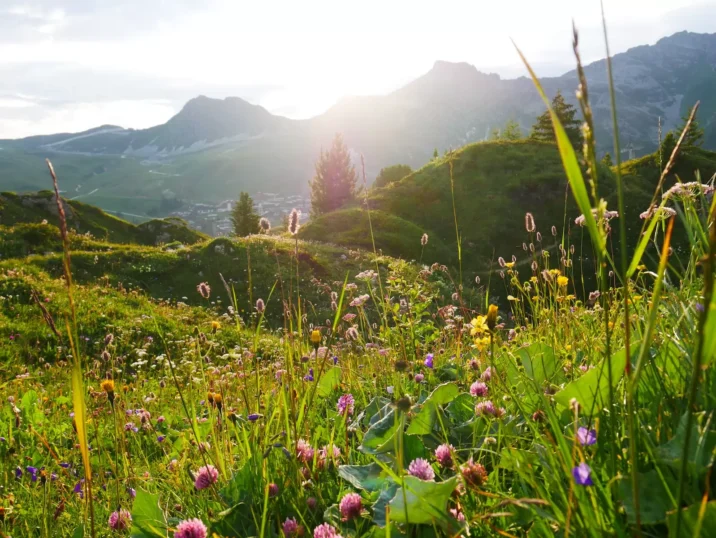
There is no single way to experience Kashmir. In spring, its gardens burst into colour, fruit trees begin to blossom, and the valley slowly emerges from winter. Summer brings green meadows, cool mountain air and long days of sightseeing. Autumn paints the landscape in shades of gold, amber and crimson, while winter transforms higher mountain destinations into a world of snow, skiing and cosy stays.
This remarkable change of seasons is what makes Kashmir one of India’s most distinctive travel destinations. A trip in April can feel entirely different from a holiday in October or January, even when you visit the same places.
So, what is the best time to visit Kashmir in 2026–27?
For most first-time visitors, late April to May and September to early October are excellent periods to consider, depending on the weather and the experiences you want. April is popular for spring flowers and the famous Srinagar Tulip Garden, May offers greener landscapes and comfortable sightseeing conditions, and autumn brings beautiful foliage and crisp mountain air. For snow lovers, late December to February is generally the preferred window, particularly for winter activities in Gulmarg.
However, the right month ultimately depends on your priorities, budget, travel companions and willingness to accommodate changing mountain weather.
Whether you are planning a honeymoon, a family holiday, a photography expedition or an adventure-filled mountain escape, this month-by-month guide from JKL Travels will help you plan a Kashmir journey that suits your expectations.
At a Glance: When Should You Visit Kashmir?
- For snowfall and winter scenery: Late December to February, subject to snowfall and local conditions.
- For tulips and spring blossoms: March to April, with the exact garden dates and bloom conditions varying each year.
- For a first Kashmir holiday: Late April to May or September, depending on your preferred scenery.
- For family sightseeing: May, June and September are useful starting points for planning.
- For autumn photography: October to early November, depending on foliage conditions.
- For skiing and snowboarding: January and February are popular choices in Gulmarg.
- For trekking and mountain adventures: June to September for many routes, subject to local opening dates, weather and permits.
- For a potentially quieter holiday: March or November, while checking seasonal access and actual travel costs.
These are general seasonal recommendations, not guarantees of particular weather conditions, snowfall, flower blooms or attraction availability.
Why Kashmir Is Worth Visiting in Every Season
Kashmir is often associated with snow-covered mountains, Dal Lake and romantic houseboats. Yet limiting the destination to a single season means missing much of its character.
The valley’s appeal changes throughout the year. Spring is about renewal and colour, summer is about green landscapes and outdoor exploration, autumn offers a quieter and more atmospheric beauty, and winter brings snow-focused experiences in suitable locations.
Understanding these seasonal differences is the first step towards choosing the right time for your holiday.
Spring: Kashmir Wakes Up in Colour | March to May
Spring arrives gradually in Kashmir. The lingering chill of winter gives way to milder afternoons, flowering trees and fresh greenery. Srinagar’s gardens become important attractions, while the surrounding mountains may still retain snow.
One of the season’s biggest draws is the Indira Gandhi Memorial Tulip Garden in Srinagar. Situated along the foothills of the Zabarwan Range overlooking Dal Lake, it is recognised as Asia’s largest tulip garden.
The garden’s annual opening is linked to flowering conditions rather than a fixed calendar date. In 2026, it opened to visitors on 16 March and closed on the evening of 16 April. This is a useful reminder that travellers should confirm the official dates for the season they intend to visit.
Spring also offers opportunities to explore Badamwari, the Mughal Gardens, Srinagar’s lakeside promenades and the city’s historic neighbourhoods.
Best experiences: Tulip viewing, almond blossoms, garden visits, shikara rides, leisurely sightseeing and photography.
Who should visit: Couples, families, garden enthusiasts and travellers who enjoy mild weather and colourful landscapes.
What to remember: Carry layers. Spring afternoons can be pleasant, but mornings and evenings may remain cold. Flowering periods vary, and a trip booked around a particular bloom should include some flexibility.
Summer: Green Valleys and Mountain Adventures | June to August
Summer is among Kashmir’s busiest tourism periods. While much of northern and central India experiences intense heat, Kashmir’s mountain destinations can provide a refreshing change of scenery.
Meadows turn green, rivers run through mountain valleys, and outdoor excursions become a major part of the holiday experience. Srinagar offers gardens, lake views, houseboats and local markets, while Gulmarg and Pahalgam provide opportunities for mountain walks, sightseeing and nature-based activities.
Sonamarg is another popular choice, although access to higher areas and individual attractions depends on seasonal road conditions and local permissions.
June is often attractive for travellers seeking a combination of comfortable sightseeing and outdoor activities. July and August can bring lush landscapes and occasional rain, making them appealing for visitors who value greenery over a dry-weather guarantee.
Best experiences: Meadow visits, scenic drives, gondola rides when operating, selected trekking routes, riverside excursions and village experiences.
Who should visit: Families, groups of friends, nature lovers and travellers escaping the heat of the plains.
What to remember: Peak-season demand can raise flight and hotel costs. Mountain weather can change quickly, so keep suitable clothing and avoid building an itinerary around an activity that has not been confirmed locally.
Autumn: The Golden Side of Kashmir | September to November
Autumn is one of Kashmir’s most photogenic seasons. As summer fades, the landscape gradually develops warmer colours, the air becomes crisper and the Chinar trees begin their striking seasonal transformation.
September can still offer relatively mild days and green scenery. By October, the colours of selected gardens and lakeside areas may become more pronounced. November brings colder nights, fewer leaves on many trees and the possibility of early snow in higher elevations.
Srinagar is particularly rewarding for travellers interested in garden walks, heritage, photography and lakeside scenery. Naseem Bagh, Boulevard Road and other established Chinar locations are worth considering, while Kokernag and Verinag can add variety to a wider itinerary.
Autumn colours do not appear everywhere at once. Temperature changes, rainfall and local conditions influence when individual trees reach their peak.
Best experiences: Chinar photography, lakeside walks, heritage visits, relaxed sightseeing and scenic drives.
Who should visit: Couples, photographers, repeat visitors and travellers who prefer a cooler atmosphere.
What to remember: October is a useful target for autumn foliage, but exact peak dates cannot be guaranteed. November requires warmer clothing and closer attention to weather and road updates.
Winter: Snow, Skiing and Mountain Romance | December to February
Winter changes Kashmir’s atmosphere dramatically. Snow may cover mountain slopes, pine forests and high-altitude landscapes, creating the scenery many travellers associate with a classic Himalayan winter holiday.
Gulmarg is the principal choice for many snow-focused visitors. It is known for skiing, snowboarding and the Gulmarg Gondola, whose operating phases provide access to different elevations when weather and operational conditions permit.
Drung and Tangmarg are also popular names in winter itineraries, but actual snow cover and road access must be checked before travelling. Srinagar may experience cold weather or snowfall, but the city should not be treated as a place where deep snow is guaranteed throughout winter.
December offers festive-season appeal, while January and February are often preferred by visitors hoping for established winter conditions in Gulmarg.
Best experiences: Skiing, snowboarding, snow photography, winter resort stays, local cuisine and seasonal mountain scenery.
Who should visit: Snow enthusiasts, adventure travellers, couples and photographers.
What to remember: Snowfall is weather-dependent. Flights, roads, gondola operations and outdoor activities may be disrupted by adverse conditions. Build buffer time into your plans, dress for sub-zero conditions where necessary and use qualified instructors for snow sports.
Kashmir Weather Guide: What to Expect
Weather differs considerably between Srinagar and higher destinations such as Gulmarg and Sonamarg. A general seasonal overview is useful, but it should not replace a location-specific forecast.
| Season | General conditions | Travel focus |
|---|---|---|
| March–May | Transition from cold weather to milder spring conditions | Flowers, gardens and sightseeing |
| June–August | Generally milder than the plains, with warmer days and occasional rain | Green valleys, family trips and outdoor exploration |
| September–November | Cooling temperatures and changing foliage | Photography, heritage and autumn scenery |
| December–February | Cold conditions, with snow more likely in higher areas | Winter scenery and snow sports |
Srinagar can have relatively mild daytime weather while higher mountain destinations remain cold or snow-covered. Pack according to the highest and coldest places on your itinerary, not just the weather expected in the city.
Before departure, check current forecasts from the India Meteorological Department and confirm local conditions for the destinations you intend to visit.
Kashmir Month by Month: The Best Time to Plan Your Trip
January: For a Snow-Focused Kashmir Holiday
January is one of the most popular months for winter experiences, especially in Gulmarg. Snow-covered slopes, cold mountain air and the possibility of fresh snowfall create an appealing setting for a winter escape.
Gulmarg is the natural centrepiece for skiing and snowboarding. Srinagar can be included for its lakes, gardens, markets and local food, while Tangmarg and Drung may be considered if conditions permit.
Ideal for: Snow enthusiasts, winter photographers, couples and skiing holidays.
Travel tip: Reserve accommodation early around busy holiday periods and check weather, road and activity updates before setting out.
February: Winter Adventures and Mountain Views
February continues the winter season and is a popular choice for snow sports in Gulmarg. Depending on weather conditions, visitors may find opportunities for skiing, snowboarding and winter photography.
The month can also offer quieter dates than major holiday periods, although weekends, events and fresh snowfall can still bring substantial demand.
Ideal for: Adventure travellers, couples and visitors seeking a dedicated winter holiday.
Travel tip: Gondola services and access to higher elevations are weather-dependent. Confirm operations rather than assuming every phase will run on your chosen date.
March: The First Signs of Spring
March is a transitional month. Srinagar begins moving towards spring, almond blossoms may appear, and the first flowering attractions start drawing visitors. Snow can still be present in the surrounding mountains.
The Tulip Garden’s opening date changes with flowering conditions, so travellers planning a visit specifically for tulips should monitor official announcements.
Ideal for: Garden enthusiasts, photographers, couples and travellers considering the shoulder season.
Travel tip: Do not book solely around an assumed tulip opening date. Check the garden’s official schedule and consider other spring attractions as alternatives.
April: Tulips, Blossoms and Colourful Gardens
April is a major spring travel month for Kashmir. Depending on the year’s flowering cycle, visitors may see tulips, flowering trees and colourful gardens against a backdrop of mountain scenery.
Srinagar is the main base for spring experiences. The Tulip Garden, Nishat Bagh, Shalimar Bagh and Pari Mahal can form part of a sightseeing itinerary, while a visit to Gulmarg or Pahalgam adds a mountain dimension to the holiday.
The timing matters: an early-April visit and a late-April visit may offer different flowering conditions.
Ideal for: Couples, families, photography enthusiasts and travellers interested in spring landscapes.
Travel tip: Confirm garden opening dates before finalising your travel dates. Carry a light jacket and comfortable walking shoes.
May: A Strong All-Round Choice
May is often one of the most practical months for a first visit to Kashmir. The landscape is generally greener, daytime sightseeing is comfortable on many days, and travellers can combine Srinagar with established mountain destinations.
Gulmarg offers meadow scenery, Pahalgam provides a scenic base for exploring the Lidder Valley, and Srinagar remains ideal for gardens, lakes and cultural experiences. Sonamarg may also be considered after checking current access.
May is popular with families and couples, so good weather expectations should be balanced against peak-season demand.
Ideal for: First-time visitors, families, honeymooners and travellers wanting a broad Kashmir experience.
Travel tip: Book flights and accommodation well in advance for school-holiday dates. A balanced itinerary is better than trying to visit every destination in a short trip.
June: The Start of the Busy Summer Season
June brings many visitors to Kashmir for its outdoor appeal. Green mountain landscapes, pleasant conditions in many locations and longer daylight hours make sightseeing easier to plan.
Depending on the route and current permissions, visitors can explore Gulmarg, Pahalgam and Sonamarg, alongside Srinagar’s gardens and Dal Lake.
Ideal for: Family holidays, groups, sightseeing and selected outdoor adventures.
Travel tip: Check activity availability, road conditions and local weather before travelling to higher elevations.
July: Lush Valleys and Nature Experiences
July is appealing for travellers who enjoy greenery, mountain streams and the summer landscape. Doodhpathri and Yusmarg may be considered for scenic day trips, while established destinations offer opportunities for walking and relaxation.
Rain can affect visibility, trail conditions and travel times. A flexible schedule is therefore particularly valuable for visitors planning nature-based excursions.
Ideal for: Nature lovers, families and travellers who prefer green scenery.
Travel tip: Carry rain protection and check trail conditions before undertaking longer walks or trekking routes.
August: Green Scenery and Flexible Travel
August continues the summer season, with lush landscapes and opportunities for sightseeing. Occasional rain may interrupt outdoor plans, but it can also bring out the rich colours of meadows and forests.
Rather than filling every day with long road journeys, consider combining a comfortable base in Srinagar with selected excursions.
Ideal for: Families, relaxed holidaymakers and visitors interested in nature photography.
Travel tip: Do not assume that Kashmir is rain-free during the monsoon period. Monitor local forecasts and keep alternative indoor or city-based activities available.
September: A Balance Between Summer and Autumn
September can be a rewarding time for travellers who prefer a balance of green landscapes, relatively comfortable weather and the early signs of autumn.
It is suitable for combining Srinagar with Pahalgam and Gulmarg, subject to local conditions. Travellers may also find it a useful period for selected hikes where routes are officially open.
Ideal for: Couples, families, photographers and travellers seeking a more relaxed sightseeing experience.
Travel tip: Confirm trekking access and the availability of mountain activities. Conditions vary by route and elevation.
October: Chinar Colours and Autumn Photography
October is a leading choice for autumn-focused travel. Chinar trees may turn shades of gold, orange and crimson, creating atmospheric views around Srinagar’s gardens, lakes and historic landscapes.
Naseem Bagh, Boulevard Road and selected gardens can be considered for photography. A wider itinerary may include Kokernag or Verinag, depending on the available time and road conditions.
Ideal for: Photographers, couples, content creators and travellers who enjoy cool weather.
Travel tip: Autumn foliage has no fixed peak date. Check recent local reports if seeing colourful Chinar trees is the main purpose of your trip.
November: A Quieter Transition Towards Winter
November marks a transition from autumn to winter. Some locations may retain autumn colour early in the month, while later dates can bring colder conditions and reduced foliage.
For travellers who prefer a calmer sightseeing holiday, this month may be worth considering. However, the weather can be less predictable for mountain excursions, and not every summer attraction will remain accessible.
Ideal for: Flexible travellers, heritage enthusiasts and those interested in a quieter seasonal atmosphere.
Travel tip: Compare actual hotel and transport prices before assuming November will be cheaper. Pack warm clothing and check access before planning longer excursions.
December: The Beginning of the Winter Travel Season
December brings shorter days and colder conditions. Gulmarg and other higher areas may receive snowfall, although the timing and depth of snow vary from year to year.
Visitors can combine Srinagar’s houseboats, local cuisine and cultural experiences with a winter excursion to Gulmarg when conditions are suitable.
Ideal for: Winter holidaymakers, couples and travellers hoping to experience snow.
Travel tip: If snowfall is essential to your trip, choose flexible dates and keep alternative activities available in case the weather does not cooperate.
The Best Time to Visit Kashmir for Different Travellers
The best month also depends on who is travelling and what the holiday is meant to deliver.
For Honeymoon Couples
April, May, September and October are useful months to consider for couples who want a combination of sightseeing, scenic stays and relaxed experiences. February is an alternative for those who specifically want a winter atmosphere.
A honeymoon can include a shikara ride on Dal Lake, a houseboat stay, a scenic excursion to Pahalgam and time in Gulmarg. The itinerary should allow space for relaxation rather than turning every day into a long transfer.
For Families with Children
May, June and September are practical starting points for family holidays. These months can offer opportunities for sightseeing, meadow visits and outdoor experiences without requiring the family to focus entirely on winter conditions.
Choose accommodation carefully, avoid overly long daily drives and keep some flexibility for children’s rest and changing weather.
For Snow Lovers
Late December through February is generally the preferred planning window, with Gulmarg a key destination for skiing and snowboarding.
The important distinction is between travelling during the winter season and seeing fresh snowfall on a specific day. The former can be planned; the latter cannot be guaranteed.
For Budget-Conscious Travellers
March and November can be worth comparing with peak travel periods. Early December may also offer opportunities on selected dates.
However, flight prices, hotel rates, weekends, festivals and the popularity of specific attractions all affect the final cost. Ask for a date-specific quotation instead of relying on broad seasonal assumptions.
For Adventure Enthusiasts
June to September can suit many trekking and outdoor itineraries, depending on the route, weather and official access. Winter brings a different set of adventures, particularly skiing and snowboarding around Gulmarg.
Select activities based on your experience level, use qualified local professionals and check permits or other requirements before departure.
For Photographers
April and October are strong options for different reasons. April offers flowers and spring landscapes, while October can bring Chinar colours and warm autumn light.
Winter photographers may prefer Gulmarg and other snow-covered locations when conditions allow. For wildlife, remote landscapes or long mountain routes, follow local rules and seek the necessary permissions.
Beyond the Usual Tourist Circuit: Kashmir’s Lesser-Known Experiences
Srinagar, Gulmarg, Pahalgam and Sonamarg remain central to many first-time itineraries. Travellers with more time may also wish to explore destinations beyond these familiar names.
Doodhpathri: Known for its meadow scenery and mountain surroundings, it can be an attractive addition to a nature-focused itinerary.
Yusmarg: A quieter-feeling landscape for visitors interested in meadows, forest scenery and relaxed excursions.
Aharbal: Known for its waterfall and natural setting, it may suit travellers looking to explore beyond the main sightseeing circuit.
Kokernag and Verinag: These destinations can add gardens, springs and scenic stops to an itinerary that includes South Kashmir.
Gurez Valley and Bangus Valley: These more remote areas appeal to travellers seeking distinctive landscapes, but access, facilities, permissions and seasonal opening conditions must be checked carefully.
Offbeat travel should not mean unplanned travel. Before visiting a less-developed destination, confirm road access, accommodation, local transport and any applicable restrictions.
Essential Kashmir Travel Tips for 2026–27
A well-planned trip is not only about choosing the right month. Small practical decisions can make the difference between a rushed holiday and a comfortable experience.
1. Book According to the Season
Tulip season, school holidays and winter travel periods can attract strong demand. Book early when travelling on fixed dates, but check the cancellation terms before paying for non-refundable arrangements.
2. Pack Layers, Not Just Heavy Clothes
Kashmir’s weather varies by destination and elevation. Carry clothing that can be layered, along with comfortable shoes. Winter trips may require insulated jackets, gloves, thermal layers and suitable footwear.
3. Keep Buffer Time in Winter
Snowfall or poor weather can disrupt road journeys, flights and outdoor activities. Avoid tight connections and leave room for changes to the itinerary.
4. Plan Your Base Carefully
Srinagar works well for lake experiences, gardens, local markets and many cultural attractions.
Pahalgam suits travellers who want a mountain setting and time to explore the surrounding valley.
Gulmarg is particularly relevant for snow sports, gondola experiences and meadow scenery.
The best arrangement depends on trip duration, road conditions and how much time you want to spend travelling between destinations.
5. Confirm Gondola and Adventure Activities
Mountain attractions are affected by weather, maintenance and operational decisions. Verify opening status and ticket arrangements through official channels before building the day around a particular activity.
6. Respect Local Culture and the Environment
Dress appropriately for the setting, ask permission before photographing people, follow local instructions and avoid leaving litter in natural areas. Support local guides, craftspeople and businesses where possible.
7. Check Current Travel Advisories
Before departure, review applicable government travel advice, local administrative notices, weather alerts and road updates. International visitors should also check their government’s guidance and travel insurance conditions.
Safety and accessibility can change independently of the season. Do not assume that a popular tourist destination is automatically accessible on every date.
Suggested Seven-Day Kashmir Itineraries by Season
Seven days can provide a useful introduction to Kashmir, but the route should be adjusted for travel pace, current conditions and the time needed for transfers.
Spring: Flowers, Gardens and Mountain Scenery
- Day 1: Arrive in Srinagar and settle in.
- Day 2: Visit the Tulip Garden if open, followed by selected Mughal Gardens.
- Day 3: Explore Srinagar, Dal Lake and the local markets.
- Day 4: Travel to Gulmarg for meadow scenery and available attractions.
- Day 5: Visit Pahalgam and explore the permitted, accessible local sights.
- Day 6: Enjoy a relaxed day in or around Srinagar.
- Day 7: Depart.
This itinerary is best kept flexible around the tulip season and mountain weather.
Summer: Meadows and Outdoor Exploration
- Day 1: Arrive in Srinagar.
- Day 2: Explore the city and Dal Lake.
- Day 3: Visit Gulmarg.
- Day 4: Travel to Pahalgam.
- Day 5: Explore Pahalgam’s accessible local attractions.
- Day 6: Consider Sonamarg or Doodhpathri, subject to the route and transfer time.
- Day 7: Return to Srinagar and depart.
If Sonamarg or another distant excursion requires a long transfer, consider reducing the number of stops rather than rushing through the trip.
Autumn: Chinar Trees and Scenic Drives
- Day 1: Arrive in Srinagar.
- Day 2: Explore lakeside areas and selected gardens.
- Day 3: Visit Chinar locations and heritage attractions.
- Day 4: Travel to Pahalgam.
- Day 5: Explore the surrounding valley where access permits.
- Day 6: Return towards Srinagar, with an optional excursion to Kokernag or Verinag if practical.
- Day 7: Depart.
Check recent foliage conditions before finalising the itinerary if autumn colour is your primary reason for travelling.
Winter: Snow Experiences and Srinagar
- Day 1: Arrive in Srinagar.
- Day 2: Explore the city, Dal Lake and local cuisine.
- Days 3–4: Stay in Gulmarg for available snow activities and mountain experiences.
- Day 5: Consider Tangmarg or Drung if weather and road conditions permit.
- Day 6: Return to Srinagar for a relaxed day.
- Day 7: Depart.
Keep winter travel flexible. An additional night in Srinagar or a revised sightseeing plan may be preferable to travelling in unsafe conditions.
Frequently Asked Questions About the Best Time to Visit Kashmir
Which month is best for visiting Kashmir?
Late April to May and September to early October are excellent periods to consider for a broad sightseeing holiday. The best choice depends on whether you prefer spring flowers, green meadows or autumn scenery.
When can I see snowfall in Kashmir?
Snowfall is most commonly associated with the winter season, particularly late December to February in higher destinations such as Gulmarg. Actual snowfall varies each year and cannot be guaranteed for a particular date.
What is the best time to visit Gulmarg?
January and February are popular for winter sports, while late spring and summer offer meadow scenery and outdoor sightseeing. The Gondola’s operation and access to higher elevations depend on weather and operating conditions.
Is April a good month to visit Kashmir?
Yes. April is a popular month for spring flowers, gardens and sightseeing. However, the Tulip Garden’s opening dates and flowering period change from year to year, so confirm the current schedule.
Is May better than October for Kashmir?
May is a strong choice for green landscapes and a broad first-time sightseeing itinerary. October is better suited to travellers interested in autumn colours and cooler weather. Neither month guarantees particular conditions.
Is Kashmir suitable for a family holiday?
Kashmir offers a range of family-friendly sightseeing and nature experiences. Families should choose an appropriate pace, check current travel advice and account for the weather and accessibility of each planned destination.
How many days are enough for Kashmir?
Six to eight days can work well for a first trip covering Srinagar, Gulmarg and Pahalgam, with Sonamarg or another excursion added if travel time permits. Longer stays allow for a more relaxed pace or additional destinations.
Which is the cheapest month to visit Kashmir?
There is no universally cheapest month. March and November can be worth comparing with peak periods, but actual prices depend on dates, flights, hotel availability and demand.
Can I visit Kashmir during the monsoon?
Yes, summer visits are possible, and the valley can look particularly green during July and August. Occasional rain may affect mountain visibility, road journeys and outdoor plans, so keep the itinerary flexible.
Is Kashmir safe to visit in 2026–27?
Conditions and official advice can change. Review the latest relevant government advisories, local restrictions, weather alerts and road conditions before booking and again before departure. Follow local instructions throughout the trip.
Final Verdict: Choose the Kashmir You Want to Experience
The best time to visit Kashmir in 2026–27 depends on the kind of holiday you imagine.
Choose spring for colourful gardens and blossoms, summer for green meadows and outdoor exploration, autumn for Chinar foliage and crisp mountain air, or winter for snow-focused experiences in destinations such as Gulmarg.
For many first-time visitors, late April to May or September to early October offers an attractive starting point. Those seeking skiing and snow-covered mountain scenery should look towards the winter months, while travellers planning around tulips or autumn foliage should remain flexible about exact dates.
The secret to a memorable Kashmir holiday is not simply finding the perfect month. It is matching the season to your expectations, allowing enough time to explore, choosing suitable accommodation and staying flexible when mountain weather changes.
At JKL Travels, the aim is to help travellers make informed choices and plan journeys around their interests, time and budget. Whether you are dreaming of a spring escape, a family holiday, a romantic mountain retreat or a winter adventure, a thoughtfully planned Kashmir itinerary can help you experience more of what makes the valley special.
Plan your Kashmir holiday with JKL Travels and choose a season that feels right for you.
Travel information note: Seasonal descriptions are general planning guidance, not live forecasts or guarantees of access. Confirm attraction schedules, permits, road status, weather, local restrictions and applicable travel advisories before departure.
