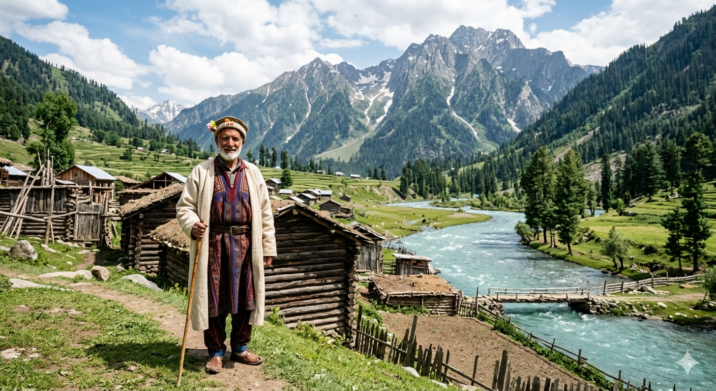
Gurez Valley & Keran Valley Tourism 2026: Exploring Kashmir’s Hidden Frontiers Along the LoC
By: JKL Travels – Kashmir Travels | June 2026
Beyond Gulmarg and Pahalgam, Travelers Are Discovering Kashmir’s Untouched Valleys Along the Line of Control
For decades, Kashmir’s tourism narrative has been dominated by iconic destinations such as Srinagar, Gulmarg, Pahalgam, and Sonmarg. Yet far beyond the crowded tourist circuits lie two extraordinary valleys that are gradually capturing the imagination of explorers, photographers, trekkers, and cultural travelers—Gurez Valley and Keran Valley.
Nestled amid towering Himalayan ranges and traversed by the pristine Kishanganga River, these remote regions offer something increasingly rare in modern tourism: authenticity.
Here, visitors encounter centuries-old traditions, wooden mountain settlements, dramatic landscapes, and communities whose lives remain deeply connected to nature. Located close to the Line of Control (LoC), both valleys also carry strategic significance, adding a unique historical and geopolitical dimension to the travel experience.
As interest in offbeat tourism continues to grow, Gurez and Keran are emerging as symbols of Kashmir’s untapped tourism potential.
Why Travelers Are Looking Beyond Traditional Kashmir Destinations
The rise of experiential tourism has changed how people travel.
Instead of merely checking famous attractions off a list, many modern travelers seek:
- Authentic cultural interactions
- Less crowded destinations
- Sustainable tourism experiences
- Rural lifestyles and traditions
- Nature-based adventures
- Slow travel opportunities
Gurez and Keran perfectly fit these emerging travel trends.
Unlike commercialized hill stations, these valleys offer visitors an opportunity to experience Kashmir in its most natural and unfiltered form.
Gurez Valley: Where Culture, Mountains and History Converge
A Valley Hidden Beyond Razdan Pass
Located north of Bandipora district, Gurez Valley sits at an altitude of approximately 8,000 feet above sea level.
The journey itself is an adventure.
Travelers cross the dramatic Razdan Pass, where winding mountain roads reveal panoramic views of forests, alpine meadows, and snow-capped peaks. Once isolated for much of the year, improved road connectivity has made Gurez increasingly accessible during the summer months.
Despite these developments, the valley retains its untouched charm.
The Land of the Dard-Shin Community
One of Gurez’s most distinctive features is its rich cultural heritage.
The valley is home to the Dard-Shin community, an indigenous ethnic group with unique traditions, folklore, and linguistic heritage. Residents speak Shina, a language that differs significantly from Kashmiri and reflects the region’s historical connections with ancient Himalayan trade routes.
Visitors often describe interactions with local communities as among the most memorable aspects of their journey.
Traditional lifestyles, wooden architecture, local cuisine, and centuries-old customs continue to shape everyday life in the valley.
For cultural enthusiasts, Gurez offers an experience rarely found in mainstream tourist destinations.
The Majestic Kishanganga River
Flowing through the heart of the valley, the Kishanganga River defines the landscape of Gurez.
Its crystal-clear waters wind through green meadows and mountain villages, creating postcard-worthy scenery at every turn.
Popular activities include:
- Riverside camping
- Nature photography
- Birdwatching
- Trekking expeditions
- Village walks
- Landscape exploration
The river also supports local livelihoods, agriculture, and traditional ways of life.
Habba Khatoon: The Crown Jewel of Gurez
Dominating the valley skyline is the iconic Habba Khatoon Peak.
Named after the legendary Kashmiri poetess Habba Khatoon, the pyramid-shaped mountain has become one of the most photographed landmarks in northern Kashmir.
According to local folklore, the mountain symbolizes the enduring legacy of the poetess and her connection to the region.
Its striking silhouette provides a dramatic backdrop to the valley’s landscapes.
Keran Valley: Kashmir’s Riverside Paradise
A Village Where Nature and Simplicity Meet
Located in Kupwara district, Keran Valley sits along the banks of the Kishanganga River.
What makes Keran particularly unique is its position directly opposite the Neelum Valley across the Line of Control.
From several vantage points, visitors can see villages, mountains, and landscapes across the river, creating one of the most distinctive travel experiences in Kashmir.
The peaceful setting, combined with the area’s strategic significance, has transformed Keran into an increasingly popular destination for offbeat travelers.
Wooden Hamlets and Traditional Architecture
Keran is renowned for its picturesque wooden homes that blend seamlessly into the mountain landscape.
The architecture reflects generations of adaptation to harsh Himalayan weather conditions.
Unlike urban destinations, life in Keran moves at a slower pace.
Travelers frequently spend their days:
- Walking through villages
- Photographing traditional homes
- Exploring riverside trails
- Interacting with local residents
- Enjoying mountain views
- Experiencing rural Kashmiri hospitality
The valley’s simplicity has become one of its strongest attractions.
The Rise of Homestay Tourism
Keran is increasingly becoming a model for community-based tourism.
Rather than large resorts and commercial hotels, the valley’s accommodation sector is centered around:
- Family-run homestays
- Eco-lodges
- Guest houses
- Riverside cottages
- Seasonal camping sites
This approach allows visitors to experience local culture more closely while ensuring tourism revenue directly benefits local households.
Experts believe homestay tourism could become a major driver of sustainable economic development in border regions like Keran.
Tourism Meets Strategic Geography
Life Along the Line of Control
Both Gurez and Keran occupy geographically sensitive areas near the Line of Control.
For decades, security considerations limited tourism growth in these regions.
However, improved infrastructure, better road connectivity, and increasing stability have gradually opened these destinations to visitors.
Their strategic location has also created a unique tourism niche.
Many travelers are fascinated by:
- Border-region history
- Mountain communities
- Strategic geography
- Cultural resilience
- Remote Himalayan lifestyles
This combination of natural beauty and geopolitical significance makes these valleys unlike any other destination in Kashmir.
Adventure Tourism Potential Remains Vast
Untapped Opportunities for Nature Enthusiasts
Adventure tourism experts increasingly view Gurez and Keran as future growth centers for Himalayan tourism.
Popular and emerging activities include:
In Gurez
- High-altitude trekking
- Mountain camping
- River exploration
- Wildlife observation
- Cultural village tours
In Keran
- Riverside photography
- Nature walks
- Village tourism
- Homestay experiences
- Birdwatching
Unlike overcrowded destinations elsewhere, these valleys still offer genuine wilderness experiences.
Travel Guide: What Visitors Should Know
Best Time to Visit
| Destination | Best Season |
|---|---|
| Gurez Valley | June to September |
| Keran Valley | May to October |
Summer and early autumn provide the most favorable weather and road conditions.
Accommodation
Visitors can choose from:
- Homestays
- Eco-lodges
- Guest houses
- Campsites
- Boutique rural accommodations
Large luxury hotels remain limited, preserving the valleys’ intimate character.
Connectivity
Travelers should prepare for:
- Limited mobile coverage
- Intermittent internet connectivity
- Mountain road conditions
- Weather-related travel disruptions
Downloading offline maps and carrying essential supplies is recommended.
Permit Requirements
Because both valleys are located close to the Line of Control, visitors should verify the latest administrative requirements before travel. Regulations and access procedures may change depending on security and administrative guidelines.
Travelers are advised to confirm current permit and identification requirements with local authorities or tourism officials before planning their trip.
The Future of Kashmir’s Hidden Frontiers
A New Chapter in Sustainable Tourism
As Kashmir’s tourism industry expands beyond traditional destinations, Gurez and Keran represent a promising new frontier.
Their appeal lies not in luxury or commercialization, but in authenticity.
These valleys offer travelers an opportunity to experience untouched landscapes, vibrant local cultures, and a slower pace of life that has become increasingly rare in the modern world.
If managed responsibly, tourism growth could create new economic opportunities while preserving the unique environmental and cultural heritage that makes these destinations special.
For visitors seeking the Kashmir that exists beyond postcards and popular itineraries, Gurez and Keran provide an unforgettable glimpse into some of the Himalayas’ most beautiful and least-explored landscapes.
Gurez & Keran Valley Travel Guide 2026: Itineraries, Budget, Stay Options
As tourism gradually expands into Kashmir’s lesser-explored border regions, travelers are increasingly looking for practical information before planning a visit to Gurez and Keran. While both destinations remain relatively untouched, improved road connectivity and growing homestay networks have made travel easier than ever.
Suggested Itinerary 1: 4 Days / 3 Nights (Gurez Valley)
Day 1: Srinagar – Bandipora – Razdan Pass – Gurez
Distance: Approx. 125 km
Highlights:
- Scenic drive through Bandipora
- Razdan Pass viewpoints
- Arrival at Dawar (Gurez headquarters)
- Evening walk along Kishanganga River
Overnight: Dawar
Day 2: Explore Gurez Valley
Highlights:
- Habba Khatoon Peak viewpoint
- Tulail Valley excursion
- Local Dard-Shin villages
- Photography and cultural interaction
Overnight: Dawar/Tulail
Day 3: Trekking and Village Experience
Activities:
- Nature walks
- Riverside camping
- Traditional cuisine experience
- Interaction with local families
Overnight: Gurez
Day 4: Return to Srinagar
Highlights:
- Morning photography
- Scenic drive back via Razdan Pass
Suggested Itinerary 2: 3 Days / 2 Nights (Keran Valley)
Day 1: Srinagar – Kupwara – Keran
Distance:
Approx. 120 km
Highlights:
- Scenic Lolab and Kupwara landscapes
- Arrival at Keran
- Sunset along Kishanganga River
Overnight: Keran Homestay
Day 2: Explore Keran Village
Activities:
- Riverside walks
- Wooden village architecture
- Photography sessions
- Local cuisine experience
- Viewpoints overlooking Neelum Valley
Overnight: Keran
Day 3: Return to Srinagar
Morning:
- Village exploration
- Return drive to Srinagar
Suggested Itinerary 3: 6 Days / 5 Nights (Gurez + Keran Circuit)
- Day 1
- Srinagar → Keran
- Day 2
- Explore Keran
- Day 3
- Keran → Srinagar → Bandipora
- Day 4
- Bandipora → Gurez
- Day 5
- Explore Gurez and Tulail Valley
- Day 6
- Return to Srinagar
Ideal for:
- Photographers
- Travel bloggers
- Adventure enthusiasts
- International visitors
Estimated Travel Cost (Per Person)
Budget Traveler
| Expense | Cost |
|---|---|
| Shared Transport | ₹2,500–4,000 |
| Homestays | ₹1,000–1,800/night |
| Food | ₹500–800/day |
| Local Sightseeing | ₹1,000–2,000 |
| Total (3–4 Days) | ₹8,000–15,000 |
Mid-Range Traveler
| Expense | Cost |
|---|---|
| Private Taxi Share | ₹5,000–8,000 |
| Premium Homestay | ₹2,500–4,500/night |
| Meals | ₹800–1,500/day |
| Guided Tours | ₹2,000–5,000 |
| Total (4–5 Days) | ₹18,000–35,000 |
Luxury/Private Experience
| Expense | Cost |
|---|---|
| Dedicated SUV | ₹15,000–30,000 |
| Boutique Property | ₹5,000–12,000/night |
| Curated Tours | ₹5,000–10,000 |
| Total (5–6 Days) | ₹45,000–80,000+ |
Stay Options in Gurez Valley
Dawar
Most developed tourism center in Gurez.
Available:
- Government tourist huts
- Guest houses
- Family-run homestays
- Camping sites
Best for:
- First-time visitors
- Families
- Solo travelers
Tulail Valley
More remote and scenic.
Available:
- Village homestays
- Eco-camps
- Seasonal guest accommodations
Best for:
- Trekkers
- Photographers
- Cultural travelers
Stay Options in Keran Valley
Traditional Homestays
Popular among tourists due to:
- Local food
- Village interaction
- Affordable rates
- Scenic river views
Average Cost:
₹1,500–4,000 per night
Riverside Eco-Lodges
Features:
- Mountain views
- Quiet surroundings
- Organic meals
- Nature-focused experiences
Average Cost:
₹3,000–6,000 per night
What to Pack
Essential Items
- Government ID Proof (MUST)
- Warm Jacket
- Rain Protection
- Trekking Shoes
- Power Bank
- Offline Maps
- Cash (ATMs limited)
- Personal Medicines
- Camera Equipment
Responsible Tourism Guidelines
Visitors should:
- Respect local customs and traditions
- Avoid littering
- Support local businesses
- Seek permission before photographing residents
- Minimize plastic use
- Follow security advisories
The future of tourism in Gurez and Keran depends heavily on sustainable travel practices.
Frequently Asked Questions (FAQs)
1. Do I need a permit to visit Gurez Valley?
Indian tourists are generally allowed to visit Gurez, but identification and registration requirements may apply. Visitors should verify the latest rules before travel as regulations can change.
2. Is Keran Valley open to tourists?
Yes, Keran has emerged as a popular offbeat destination. However, travelers should check the latest local advisories and access requirements before planning their trip.
3. What is the best time to visit Gurez and Keran?
Gurez: June–September
Keran: May–October
These months offer the most reliable road access and pleasant weather.
4. Is mobile internet available?
Connectivity is improving, but networks remain patchy in several areas. Download maps and essential information before departure.
5. Are these destinations safe for families?
Yes. Both valleys are increasingly attracting families, photographers, and nature enthusiasts. Travelers should nonetheless follow official travel advisories and local guidance.
6. How many days are needed?
- Keran: 2–3 days
- Gurez: 3–4 days
- Combined Circuit: 5–7 days
7. Can foreign tourists visit?
Foreign nationals should check the latest government regulations, permit requirements, and travel advisories before planning a trip to border-region destinations.
8. What makes Gurez different from Keran?
| Destination | Specialty |
|---|---|
| Gurez Valley | Dard-Shin culture, Habba Khatoon Peak, trekking, Tulail Valley |
| Keran Valley | Riverside hamlets, wooden architecture, homestays, LoC views |
9. Are luxury hotels available?
Not yet. The charm of both valleys lies in their homestays, eco-lodges, and community-based tourism experiences rather than large commercial resorts.
10. Why are Gurez and Keran called Kashmir’s Hidden Frontiers?
Because they remain among the least-commercialized destinations in Jammu & Kashmir, located close to the Line of Control and offering pristine landscapes, rich local culture, and authentic Himalayan experiences that are largely untouched by mass tourism.
Travel Editor’s Note
For travelers who have already explored Srinagar, Gulmarg, Pahalgam, and Sonmarg, Gurez and Keran offer a completely different side of Kashmir—one defined by silence, mountain rivers, indigenous cultures, wooden villages, and a rare sense of discovery. As interest in sustainable and experiential tourism grows, these hidden valleys are poised to become the next stars of Kashmir’s tourism landscape.
Gurez Valley and Keran Valley are emerging as Kashmir’s next-generation travel destinations. Combining spectacular Himalayan scenery, rich cultural heritage, riverside villages, and authentic community experiences, these hidden frontiers offer a refreshing alternative to mainstream tourism while showcasing the untouched beauty of northern Kashmir.
