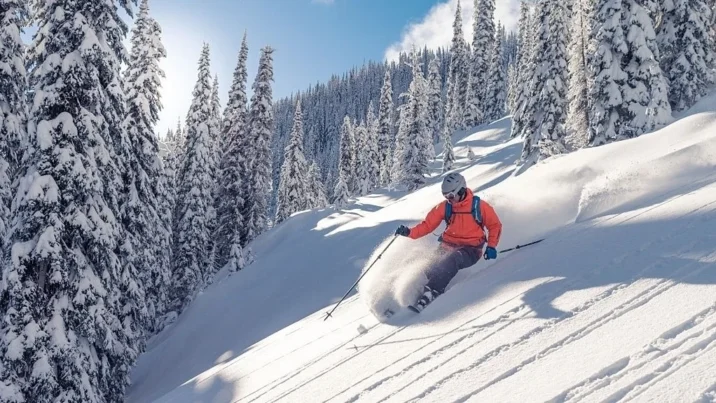
Best Kashmir Winter Packages 2025–26 — Gulmarg Gondola, Beginner Ski Lessons, Heli-Ski Safety & Road Status
By: JKL Travels -KashmirTravels | November 2025
Why this guide matters
Kashmir’s winter is a fragile, high-value season for the Valley: snowfall drives ski tourism, gondola visits, houseboat bookings, and local livelihoods. After a turbulent 2025 that hit bookings across the Valley, travellers and operators are intensifying their planning for 2025–26: watching snowfall forecasts, booking Gondola Phase-2 slots, learning how to ski in Gulmarg, understanding heli-ski safety and tracking road status for Srinagar→Gulmarg drives. This long-form guide pulls those threads together — practical, evidence-checked, and written for travellers who want to arrive prepared, safe and mindful.
Below you’ll find:
-
The best time and tactical advice for Gulmarg Gondola Phase 2
-
A complete primer for beginner ski lessons in Gulmarg
-
Heli-skiing: what it is, who runs it, and safety protocols
-
Realistic Srinagar→Gulmarg road winter status & travel tips
-
A thorough packing checklist for Kashmir snow
-
Average ski gear rental prices and where to hire safely
-
Sustainable travel notes and responsible-tourism tips
-
FAQs and recommended winter itineraries
I cross-checked official operators, ski schools, gondola corporation details, heliski operators and recent climate reporting to make this practical and current. Key factual sources are cited where they most matter.
Gulmarg Gondola Phase 2: best time, what to expect, ticket tips
Why the Gondola is the winter linchpin
The Gulmarg Gondola is the prime lift to access the Apharwat peaks. Phase-1 (Gulmarg→Kongdori) gives you the snow playground; Phase-2 (Kongdori→Apharwat) goes higher into powder terrain that thrills skiers and sightseers alike. For many visitors, a successful Phase-2 ride is the hallmark of a true Gulmarg winter experience.
When is Phase-2 best?
-
Primary window: late December through March, when snow accumulates reliably and access to Apharwat is safe.
-
Early/late season caution: Phase-2 depends heavily on weather; high winds or avalanche risk can close it at short notice. Check the Gondola status the morning of your planned ride.
Timings & ticketing (practical details)
-
Official rates and schedules vary by year and are managed by the Jammu & Kashmir Cable Car Corporation (JKCCC). Recent published Phase-2 ticket windows typically include early-morning and a midday slot; operating hours often run roughly 09:00–15:00 depending on season and weather. Always check JKCCC updates for the day you plan to go.
Best time of day for Phase-2
-
Morning slots are usually clearer and calmer (less wind), offering the best visibility for Apharwat views and safe skiing access. If you must pick a single criterion — pick an early slot.
Top Gondola tips
-
Reserve slots in advance — Phase-2 capacity is limited; local operators and online booking portals often hold blocks for package guests.
-
Aim for clear weather days — ask your tour operator to monitor forecasts and swap days if heavy winds are predicted.
-
Dress in layers — temperatures and wind chill change drastically between Kongdori and Apharwat.
-
Allow cushion time — lifts can be delayed or suspended; build flexibility into your day.
-
Be altitude-aware — Apharwat goes high; bring water and avoid overstressing your body the same day.
Also Read | Houseboats on Dal Lake – Stay in Srinagar’s Floating Paradise
Best time for Gulmarg Gondola Phase 2 (keyword integrated)
Best time for Gulmarg gondola Phase 2: the short answer is January–March, with late-January often offering the deepest, most stable powder. The long answer: monitor Western Disturbances (the weather systems that bring snowfall to Kashmir), local forecasts, and the JKCCC status updates. If you’re chasing powder skiing on Phase-2: January to early March is prime; if you’re planning scenic rides and safer sightseeing, late December and February are reliable windows.
Why seasonality matters for Phase-2 bookings
-
Snow depth: enough base snow is necessary for safe skiing and to justify opening Phase-2.
-
Avalanche risk: higher in fresh, windloaded snow — so safety teams sometimes pause operations even on snowy days.
-
Visibility: heavy snowfall reduces visibility — for the best photos and vistas aim for settled snow days.
Local booking tip: Choose a flexible package with a “Phase-2 guarantee or alternate” clause. If Phase-2 is closed, many operators arrange extra Phase-1 skiing, guided snow-treks, or photo opportunities.
Beginner ski lessons in Gulmarg: what to expect, schools, costs
Why learn in Gulmarg?
Gulmarg’s combination of long powder fields, professional instructors, and a gondola that delivers you close to teaching slopes makes it one of India’s best places to learn skiing. There are government-backed institutes and private schools: diversity of instructors and course types means you can learn at your pace and budget.
Top schools & institutes
-
IISM (Indian Institute of Skiing & Mountaineering) — a government-linked school established to train guides and skiers; good for accredited courses.
-
Private schools and resorts — a range of ski schools (Snowkings, Kashmir Ski School, Gulmarg Ski Resort schooling) offer beginner courses, equipment and tailored packages. Check reviews on TripAdvisor and local portals; many schools also bundle accommodation and transfers.
Typical beginner lesson format
-
Day 0 (arrival): rental fitting, orientation, slope briefing
-
Day 1 (learn basics): balance, snow plough, stopping, turning on gentle nursery slopes
-
Day 2: linked turns, basic control, riding beginner lifts
-
Day 3: practice runs, confidence building, introduction to chairlift/Gondola etiquette (if applicable)
Class sizes & private lessons
-
Small group classes (4–8 students) are common and cost-effective.
-
Private lessons are pricier but speed up progression and are safer for absolute beginners.
Cost guidance (what to budget)
-
Instructor: expect ₹2,000–₹4,000 per day for a certified instructor, depending on group vs private and season. (Local pricing varies; multi-day packages give discounts.)
-
Equipment rental: see Section 8 for detailed rental price ranges; expect ₹700–1,500 per day for skis, boots and basic clothing packages at resort shops.
-
Full beginner package (instructor + equipment + lift pass + basic lodging) can range from ₹10,000–40,000 depending on hotel standard and duration.
Safety & expectations for beginners
-
Always hire certified instructors and check that the school provides safety briefings and basic avalanche awareness (for excursions beyond run-of-the-mill nursery slopes). Certified schools and resort operators supply helmets and avalanche transceivers for backcountry training.
Also Read | Kashmir Tour Packages from Delhi – 2025/26 Guide by JKL Travels
Heli-ski Kashmir: what it is, operators, safety guidelines
What is heli-skiing?
Heli-skiing is off-piste skiing where a helicopter drops skiers in remote high-altitude terrain for long powder runs. It is the pinnacle of backcountry skiing experience — unparalleled powder, remote lines and thrilling descents — but it is also high risk and requires stringent safety measures.
Operators & season
Specialist operators run heli-ski programs in Kashmir’s high ranges (Apharwat and surrounding backcountry). Operators publish seasonal windows; recent seasons targeted mid-Jan to mid-March, aligning with reliable base snow and stable weather windows. One active operator lists operations for Jan 15–Mar 20 in 2025/26 seasons. Always confirm exact dates with operators before booking.
Safety protocols — the essentials
Heli-skiing should only be attempted with reputable operators that follow these standards:
-
Qualified guides: UIAGM/IFMGA or equivalent mountain guides on every run.
-
Avalanche protocol: daily avalanche assessments, guided route selection avoiding wind slabs and known hazards.
-
Rescue equipment: each skier must carry an avalanche transceiver (A-V-T), probe, shovel and an avalanche-airbag backpack where possible. Operators often supply these rentals.
-
Helicopter safety: operators must follow civil aviation regulations and provide pre-flight briefings, secure loading procedures and CTA (clear takeoff/landing) plans. Check operator terms — they should be transparent about cancellations due to weather.
-
Medical & evacuation plan: operator must have on-call medical evacuation (air/ground) plans; ask about proximity to the nearest hyperbaric/medical facility and SAR coordination.
Who should do heli-skiing?
Only advanced/expert skiers with off-piste experience. Heli-skiing is not an introduction to skiing. If you’re eager but inexperienced, complete a season of on-piste and off-piste guided instruction in Gulmarg before upgrading to heli rides.
Srinagar to Gulmarg road status in winter: how to plan the drive safely
The route & distance
-
Srinagar → Gulmarg (via Tangmarg) distance approx 50–55 km; drive time typically 1.5–2.5 hours depending on weather and road conditions.
Road maintenance & winter upgrades
Local administrations have been improving road surfacing and winter maintenance. Recent civil works in and around Srinagar included macadamisation and pavement upgrades to prepare for heavy winter traffic — a positive sign for road reliability. Check local bulletins for the latest stretch operations.
Typical winter challenges
-
Snow accumulation on mountain sections can cause slowdowns or temporary closures.
-
Fog & whiteout conditions: low visibility near Tangmarg during heavy snowfall.
-
Icy patches: especially on shaded curves — require lower speeds and snow chains.
-
Traffic blockages: if heavy storms coincide with Gandhi/holiday weekends, expect congestion and delays.
Practical driving tips
-
Use snow-equipped vehicles: ask your operator for vehicles fitted with snow chains and winter tyres. JKL Travels and other local operators run snow-ready SUVs in high season.
-
Driver experience: request a driver with winter driving experience; they are used to local microclimates and can find safer routes when needed.
-
Check live road updates: local authorities and tourism portals post road status; ask your operator to provide morning updates.
-
Allow extra time: don’t schedule back-to-back activities the same day as a long drive — build recovery buffer.
-
Emergency kit: carry warm blankets, food, water, a flashlight and a charged mobile with emergency contacts.
Also Read | Destination Weddings in Kashmir 2025-2026: Plan Your Dream Wedding in Paradise with JKL Travels
How to pack for Kashmir snowfall: a practical, weather-tested checklist
The right packing turns a cold-weather trip into a comfortable memory. Here’s a season-tested list.
Core clothing (layer system)
-
Base layer (thermal underwear — top + bottom) — moisture-wicking materials.
-
Mid layer (fleece or wool sweater) — insulation.
-
Outer layer (waterproof, windproof shell jacket + pants) — Gore-Tex or similar.
-
Down jacket (packable) for extra warmth.
-
Insulated, waterproof gloves (+ lighter liner gloves).
-
Warm hat/beanie and neck gaiter or buff.
-
Warm, waterproof boots with good tread — or snow boots.
-
Wool socks (3–4 pairs) and sock liners if you’re skiing.
-
Sunglasses (polarised) and goggles for skiing.
-
Hand warmers (disposable) and moisturiser/lip balm for dry cold.
Ski / activity specific
-
Helmet (can be rented; recommended).
-
Ski gloves (thicker, waterproof).
-
Thermal base layers for skiing.
-
Day pack with water, snacks, safety whistle, basic first-aid.
-
Avalanche transceiver/probe/shovel if going off-piste or heli-skiing — operator supplied or rental.
Electronics & documents
-
Power banks (cold drains batteries faster).
-
Camera with extra batteries (store batteries inside jacket).
-
Printed booking confirmations (Gondola / heli / hotel) and local emergency numbers.
Small but crucial
-
Extra cash in small denominations (some rural vendors may not accept cards).
-
Prescription medications and first-aid kit.
-
Travel insurance with winter sports and helicopter evacuation coverage if you plan heli-skiing.
Also Read | Kashmir Honeymoon Itinerary – 6 Days of Romance in Paradise
Ski gear rental in Gulmarg: prices, quality & insider tips
Ski rental is widely available in Gulmarg; prices vary by gear quality, season and whether you rent through a hotel or an independent shop. Expect a range depending on the item.
Typical rental price ranges (per day estimates)
-
Basic carving skis + boots: ₹700–1,000 per day.
-
Powder/fat skis (for deep snow): ₹1,000–1,500 per day.
-
Touring/backcountry skis: ₹1,200–1,500 per day.
-
Ski boots: ₹300 per day (sometimes included).
-
Ski jacket/pants: ₹600 per day.
-
Helmet: ₹250 per day.
-
Avalanche safety gear (transceiver, probe, shovel): ₹500–1,300 per day depending on equipment.
(These ranges represent commonly published resort/shop rates — always check the latest prices and equipment condition before renting.)
Where to rent
-
Resort ski shops (Gulmarg Ski Resort, nearby hotels) often charge slightly more but provide convenience, guaranteed maintenance and brand-level gear.
-
Independent rental shops in Tangmarg/Gulmarg market may offer lower prices; inspect bindings and boots carefully.
Rental tips & safety checks
-
Fit matters: bad boots ruin a day; test fit and comfort before accepting.
-
Bindings: check that bindings are serviced and DIN settings match your ability.
-
Test gear: ask for a short trial run or demo if available.
-
Insurance: consider equipment insurance or deposit arrangements; some shops require ID and a refundable deposit.
-
Book during peak season: high demand means sell-out — reserve in advance if you can.
Ski lessons vs. self-learn: what’s safest and fastest?
Why professional lessons are the best starting point
-
Safety: certified instructors teach fall techniques, proper stopping, and lift etiquette.
-
Faster progress: good instructors can get you down blue runs faster than self-learning.
-
Local conditions: instructors know local snow, lift operations and rescue protocols.
-
Group vs private: small groups are social and value for money; private lessons accelerate learning.
Progress expectations
-
Full beginner to comfortable on blue runs: typically 3–5 days of consistent practice with an instructor.
-
Advanced skills (red/black runs): several seasons or intensive training.
Also Read | Kashmir Tour Packages 2025 – JKL Travels Exclusive Mega Deals
Responsible & sustainable winter tourism in Kashmir
The environmental context
Kashmir’s dependence on snow for winter income makes it especially sensitive to climate changes. Repeated dry winters threaten both tourism and water security. Reports in recent years documented low snowfall and rainfall deficits across the Valley — a wake-up call for sustainable travel and policy interventions.
How travellers can help
-
Choose local, small-scale operators that employ local staff and reinvest locally (promotes livelihoods).
-
Avoid single-use plastics and encourage hotels/houseboats to follow waste reduction.
-
Respect wildlife and landscapes — do not venture off marked trails.
-
Support conservation fees or eco-initiatives where available.
-
Consider off-peak travel and diverse itineraries to reduce pressure on winter hotspots.
What operators should do (policy & practice)
-
Invest in water management, slope restoration, and low-impact infrastructure.
-
Encourage day-visits to spread tourist pressure and reduce overnight congestion.
-
Promote eco-certification for houseboats and hotels.
Booking & booking protection: packages, operators & snow guarantees
Buying with confidence
-
Book via verified local operators — they know microclimate, gondola status and have contingency plans.
-
Ask about “snow guarantees” — flexible rebooking or refunds if key experiences (Phase-2, skiing) are cancelled due to weather.
-
Layer your bookings: flights + hotels + activities — staggered so that a single closure doesn’t spoil everything.
Trusted operator note (local expertise)
Operators like JKL Travels and Kashmir Travels, and established ski schools/resorts offer package deals that bundle gondola assistance, instructor hire, rentals, and snow-ready transfers. They commonly provide live weather updates and alternate plans — valuable in volatile winters.
Sample 7-day Kashmir winter itineraries (for different traveller types)
A. Classic Snow & Houseboat (Romantic) — 6 nights / 7 days
-
Day 1 — Arrive Srinagar, houseboat check-in, sunset shikara.
-
Day 2 — Srinagar Mughal gardens, local markets, traditional Kashmiri dinner.
-
Day 3 — Transfer to Gulmarg, evening stroll.
-
Day 4 — Gulmarg Gondola Phase-1 + intro ski lesson.
-
Day 5 — Full day Gulmarg (Phase-2 attempt if open; snow photoshoot).
-
Day 6 — Pahalgam day trip (Betaab Valley/river walk).
-
Day 7 — Departure Srinagar.
B. Gulmarg Ski Intensive — 5 nights / 6 days (beginner to intermediate)
-
Day 1 — Arrive Srinagar → Gulmarg; rental fit.
-
Day 2 — Beginner lessons (morning), practice (afternoon).
-
Day 3 — Instructor day + chairlift practice.
-
Day 4 — Guided blue runs + Phase-2 access if permitted.
-
Day 5 — Free ski day; optional heli-ski inquiry.
-
Day 6 — Return & departure.
C. Family Winter Short Break — 3 nights / 4 days
-
Day 1 — Srinagar houseboat + shikara.
-
Day 2 — Day trip to Gulmarg (snow play, gondola Phase-1).
-
Day 3 — Pahalgam or Sonamarg scenic drive (weather permitting).
-
Day 4 — Departure.
Also Read | Why Gulmarg Reigns as India’s Best Winter Destination in 2025–26
Frequently Asked Questions (FAQ)
Q1: What is the best time for Gulmarg Gondola Phase 2?
A: January–March is the prime window; pick morning slots for best visibility and calmer winds.
Q2: Can absolute beginners take ski lessons in Gulmarg?
A: Yes — many certified schools provide beginner courses and equipment packages; allow 3–5 days for confident blue-run skiing.
Q3: Is heli-skiing safe?
A: Heli-skiing follows strict protocols with reputable operators — only suitable for experienced skiers. Ensure operators provide avalanche safety equipment and certified guides.
Q4: How is the Srinagar-Gulmarg road in winter?
A: Roads are maintained, but can close temporarily in heavy snow; use snow-equipped vehicles and an experienced driver; local upgrades have improved winter reliability.
Q5: How much does ski gear rental cost?
A: Expect ₹700–1,500/day for skis and boots; powder or touring skis cost more. Safety gear rentals add to cost.
Q6: What should I pack for snow in Kashmir?
A: Thermals, fleece, waterproof outerwear, snow boots, sunglasses/goggles, hand warmers, power banks and basic meds. See packing checklist above.
Recent climate & operational context (why plan flexibly)
Recent winters have seen unusually low snowfall and delayed snow seasons in Kashmir. Multiple regional reports in 2024-25 documented dry spells and postponed winter events (including an official postponement of national winter games due to insufficient snow). These events emphasize the need for flexible bookings, alternate itineraries and responsible expectations when planning a Kashmir winter trip.
Responsible travel & local economy: how your trip helps
Winter tourism supports a wide ecosystem: hoteliers, shikara operators, pony owners, ski instructors, guides and traditional artisans. Travellers can make a positive difference by:
-
Choosing local guides and homestays
-
Buying locally-made handicrafts (pashmina, walnut carvings)
-
Opting for regulated adventure operators who reinvest in safety and staff training
-
Respecting environmental rules and minimizing waste
Also Read | Top 12 Foods to Try in Kashmir | Authentic Kashmiri Cuisine & Wazwan Guide 2025 – 2026
Final checklist & booking action plan
Before you go
-
Confirm Gondola Phase-2 and heli-ski slot availability.
-
Rent or reserve ski gear in advance for peak season.
-
Buy travel insurance with winter sports cover.
-
Pack layering system and electronics protection.
On arrival
-
Prioritise rest & hydration before high-altitude activities.
-
Let your guide decide final day’s activities based on live weather.
-
Respect local customs and environment.
Booking trusted operators
-
Use local, verified operators (they provide snow-ready vehicles, weather monitoring and risk mitigation). If you want operator suggestions, JKL Travels and Kashmir Travels maintain winter-season packages with Gondola assistance, ski instructors and snow-ready logistics.
