Kashmir Tulip Festival 2026: The Ultimate 4 Nights / 5 Days Spring Escape Guide (Srinagar, Gulmarg, Pahalgam & Sonmarg @ ₹30,000 Couple)
By: JKL Travels – Kashmir Travels | February 2026
Spring Boom in Kashmir: When the Valley Turns into a Living Canvas
Every year, as winter recedes from the Himalayas, the Kashmir Valley undergoes a transformation that feels almost theatrical. Snow softens along the rooftops of Srinagar. Almond blossoms begin to bloom in quiet neighborhoods. Streams swell with melted glacier water. And across the foothills of the Zabarwan range, millions of tulips burst into color.
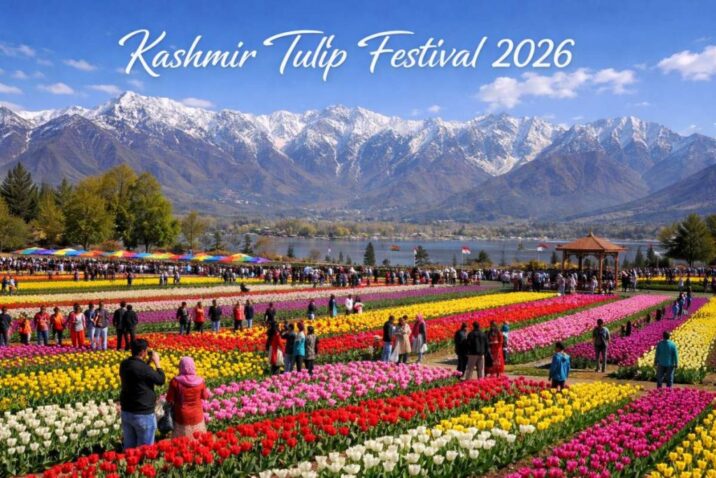
This is the season of the Indira Gandhi Memorial Tulip Festival, hosted at the breathtaking Indira Gandhi Memorial Tulip Garden, overlooking the iconic Dal Lake.
For 2026, the Kashmir Tulip Festival is expected to witness record footfall once again. With strong domestic tourism, improved road infrastructure, enhanced airport connectivity, and rising interest in experiential travel, spring tourism in Kashmir has evolved from a seasonal attraction into a nationally anticipated event.
This ultra-detailed guide explores everything you need to know about booking the Kashmir Tulip Festival Tour Package 4 Nights / 5 Days at ₹30,000 per couple, including itinerary depth, environmental context, travel psychology, local economy impact, SEO-driven insights, practical planning, and a structured tourism blueprint.
Why the Kashmir Tulip Festival Has Become a National Spring Phenomenon
The Tulip Garden in Srinagar is recognized as the largest tulip garden in Asia, spread across nearly 30 hectares. It was conceptualized to extend tourism beyond winter snow and summer vacations. What began as a horticultural initiative has now become a cultural tourism engine.
Key Verified Highlights:
-
1.5+ million tulip bulbs
-
60+ varieties of tulips
-
Layered terraced landscaping
-
Viewpoint terraces overlooking Dal Lake
-
Cultural performances
-
Handicrafts & cuisine stalls
-
Eco-awareness campaigns
The bloom window typically falls between late March and mid-April, depending on snowfall intensity and early spring temperatures.
This seasonal bloom has reshaped Kashmir’s tourism calendar. Hotels witness occupancy surges. Taxi unions experience increased bookings. Handicraft sales rise. Even small tea vendors near the garden benefit from festival footfall.
Spring is no longer shoulder season. It is prime season.
The Environmental Context: Tourism Within a Fragile Himalayan Ecosystem
As an environmental analysis perspective, it is critical to understand that Kashmir’s beauty exists within a sensitive ecological balance.
The Himalayan ecosystem is vulnerable to:
-
Waste mismanagement
-
Plastic pollution
-
Lake eutrophication (especially Dal Lake)
-
Over-tourism in alpine meadows
-
Glacial retreat due to climate change
The Tulip Festival has become an opportunity to promote eco-tourism awareness. Visitors are encouraged to:
-
Avoid littering
-
Reduce plastic usage
-
Support local artisans
-
Use designated walking paths
-
Respect cultural norms
Responsible tourism ensures that the valley’s spring bloom remains sustainable.
The Complete 4 Nights / 5 Days Itinerary (Ultra-Expanded)
This curated Kashmir Tulip Festival Tour Package balances floral spectacle, alpine adventure, river valleys, and cultural immersion.
Day 1: Arrival in Srinagar – Mughal Grandeur & Lake Reflections
Upon arrival at Srinagar Airport, you are welcomed by crisp mountain air and panoramic views of snow-draped peaks.
After check-in at your 3-star accommodation (double occupancy), the exploration begins.
Mughal Garden Circuit
-
Nishat Bagh
-
Shalimar Bagh
-
Chashme Shahi
-
Pari Mahal
These gardens date back to the Mughal era, reflecting Persian landscaping aesthetics—terraces, fountains, symmetry, and mountain backdrops.
The first day is intentionally light. It allows acclimatization, slow pacing, and aesthetic immersion.
Evening: Shikara on Dal Lake
A shikara ride is optional but transformative. As you glide across Dal Lake, floating gardens drift by. Houseboats reflect golden hues during sunset. The silence is interrupted only by gentle paddle strokes.
Overnight Stay: Srinagar
Day 2: Tulip Festival Immersion & Cultural Exploration
Morning departure for the Tulip Garden.
The sight is overwhelming—waves of red, yellow, purple, white, and pink tulips arranged in geometric layers.
What Makes This Experience Unique:
-
The Zabarwan mountains frame the background.
-
Dal Lake sparkles below the terrace.
-
Photographers capture sunrise bloom shots.
-
Cultural performances showcase Kashmiri folk music.
Tulip varieties range from single early blooms to double late bloom hybrids, extending visual diversity.
Post-Festival Exploration
Visit Hazratbal Shrine, located on Dal Lake’s northern shore. Its white marble dome contrasts beautifully with blue waters and mountain silhouettes.
Evening market visit at Lal Chowk:
-
Pashmina shawls
-
Saffron from Pampore
-
Walnut wood carvings
-
Papier-mâché artifacts
Dinner & Overnight: Srinagar
Day 3: Gulmarg – Snow, Gondola & Alpine Air
Drive approximately 50 km to Gulmarg.
Spring in Gulmarg is transitional—snow still covers upper slopes while meadows begin to emerge.
Key Experiences:
-
Gulmarg Gondola (one of the world’s highest cable cars)
-
Snow sledging
-
Photography of Apharwat peaks
-
Walking trails through pine forests
Optional Gondola phases provide panoramic Himalayan views.
Return to Srinagar in the evening.
Day 4: Pahalgam – River Valleys & Pine Forest Serenity
Drive to Pahalgam, passing saffron fields of Pampore.
The Lidder River flows alongside the valley, adding acoustic tranquility.
Optional local union taxi excursions:
-
Aru Valley
-
Betaab Valley
-
Chandanwari
Pahalgam offers a quieter, slower atmosphere compared to Srinagar.
Return to Srinagar.
Day 5: Sonmarg – Glacier Views & Departure
Drive to Sonmarg, meaning “Meadow of Gold.”
The Sindh River flows parallel to the highway, reflecting glacier-fed clarity.
Optional:
-
Thajiwas Glacier pony ride
-
Snow viewpoints
Return to Srinagar Airport.
Accommodation Details (3-Star Category)
The package includes:
-
Standard double room
-
Attached bathroom
-
24×7 assistance
-
Breakfast & dinner
-
Central heating (subject to availability)
-
Clean & hygienic dining facilities
Transportation Details
Private Sedan (Dzire / Etios or similar):
-
Professional driver
-
Fuel included
-
Parking included
-
Toll included
-
Airport pickup & drop
Inclusions & Exclusions
Included:
✔ 4 Nights stay
✔ 4 Breakfasts
✔ 4 Dinners
✔ Private sedan
✔ Airport transfers
✔ Sightseeing as per itinerary
Not Included:
✘ Airfare
✘ Gondola tickets
✘ Pony rides
✘ Entry tickets
✘ Personal expenses
✘ Travel insurance
Economic Impact of the Tulip Festival
Spring tourism boosts:
-
Hotel occupancy
-
Local transport unions
-
Handicraft artisans
-
Saffron sellers
-
Houseboat operators
-
Restaurant sector
Seasonal tourism supports thousands of livelihoods across Srinagar, Gulmarg, Pahalgam, and Sonmarg.
Why ₹30,000 Per Couple Is Competitive Pricing
Considering:
-
4 Nights stay
-
8 meals
-
Private sedan for 5 days
-
Airport transfers
-
Intercity travel
The per-day per-person cost becomes highly competitive compared to standalone bookings.
FAQs
-
When is peak bloom? Late March to early April.
-
How many days are ideal? 4–5 days minimum.
-
Is snowfall visible? In Gulmarg & Sonmarg, often yes.
-
Is advance booking required? Highly recommended.
-
Can itinerary change? Customization possible.
-
Is the gondola included? No.
-
Are meals buffet? Usually fixed or buffet based on hotel.
-
Is it safe? Tourist circuits remain operational & secured.
-
Is it suitable for elderly travelers? Yes.
-
What clothes to pack? Light woolens + comfortable shoes.
-
Is Shikara included? Optional.
-
Are entry tickets included? Not included.
-
What payment methods? UPI, bank transfer, cards.
-
Is WiFi available? Most hotels provide it.
-
What if tulip bloom shifts? Festival schedule adjusts accordingly.
