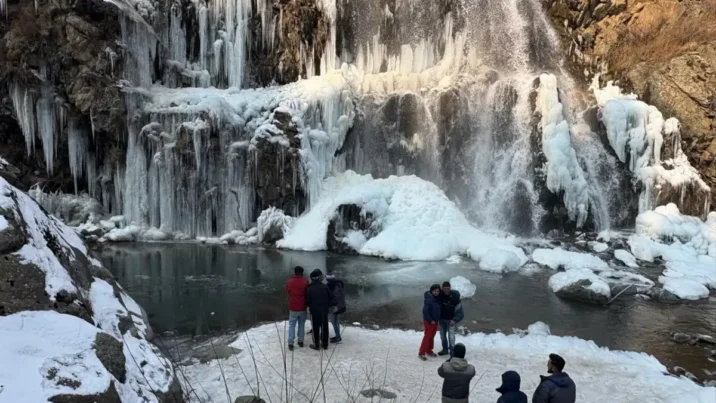
Frozen Lakes of Kashmir in Winter: Dal, Nigeen, Pangong & High-Altitude Alpine Marvels
By: JKL Travels – KashmirTravels | January 2026
When Water Becomes Art in Kashmir’s Winters
Winter in Kashmir is not merely a season; it is a transformation. As temperatures plunge well below freezing, the Valley’s iconic lakes—symbols of life, trade, and culture—slowly harden into vast mirrors of ice. The familiar blues and greens of water give way to crystal whites, silvery greys, and deep cobalt ice sheets that reflect snow-covered mountains and pale winter skies.
Every January, this transformation reaches its peak. From Srinagar’s urban lakes, where shikaras glide through slushy channels, to the stark, high-altitude silence of Pangong Tso and remote alpine basins, Kashmir’s frozen lakes offer some of the most visually dramatic winter landscapes in the Indian subcontinent.
For travellers, photographers, and adventure seekers, these frozen water bodies provide rare experiences—walking along ice-fringed shores, witnessing steam-like mist rise at dawn, and understanding how communities adapt to life in sub-zero conditions. This mega-feature explores Kashmir’s major frozen lakes, explains why they matter ecologically and culturally, and provides practical, safety-focused guidance for winter travel.
Understanding Kashmir’s Frozen Lakes: Climate, Geography, and Winter Patterns
Kashmir’s ability to host frozen lakes is shaped by a unique combination of altitude, latitude, and continental climate. Winters are long and harsh, particularly during the traditional chillai kalan period (late December to early February), when temperatures can drop to minus 7°C in Srinagar and far lower in high-altitude regions.
Urban lakes such as Dal and Nigeen experience partial to near-complete freezing depending on the severity of winter. High-altitude lakes—especially those above 3,500 metres—freeze solid for months due to prolonged sub-zero temperatures and minimal solar thawing.
It is important to note that while frozen lakes are a winter highlight, their freezing patterns can vary each year due to changing snowfall and temperature trends. Local guides and residents remain the most reliable sources for real-time conditions.
Dal Lake in Winter: Srinagar’s Living Ice Canvas
A Lake That Never Sleeps
Dal Lake, the most famous water body in Kashmir, rarely freezes uniformly. Instead, winter transforms it into a mosaic of ice sheets, slushy channels, and open water. This creates scenes that are both dramatic and intimate—wooden shikaras navigating narrow passages carved through ice, vendors pushing boats laden with vegetables, and houseboats surrounded by frozen edges.
Visual Drama and Daily Life
In January, early mornings on Dal Lake are particularly striking. Thin ice cracks under gentle movement, while mist rises as sunlight touches the surface. Locals continue their routines—transporting goods, visiting neighbours, and maintaining houseboats—demonstrating resilience shaped by centuries of winter living.
Photography Highlights
- Shikaras cutting through ice-lined channels
- Frost-covered houseboat rooftops
- Reflections of snow-draped Zabarwan hills
Dal Lake’s winter freeze is less about adventure and more about observation: witnessing how nature and human life coexist in extreme cold.
Nigeen Lake: Silence, Stillness, and Near-Complete Freeze
Srinagar’s Quieter Winter Jewel
Located close to Dal but far calmer, Nigeen Lake is often the first urban lake to freeze extensively. Its relatively deeper and more enclosed nature allows large sections to harden into solid ice during peak winter.
A Photographer’s Sanctuary
Without the heavy boat traffic seen on Dal, Nigeen offers pristine winter scenes—smooth ice sheets dusted with snow, bare trees reflected on frozen surfaces, and an almost complete absence of sound.
January mornings here feel suspended in time. For photographers seeking minimalism, symmetry, and muted winter palettes, Nigeen Lake is unmatched.
Responsible Viewing
While the ice may appear solid, visitors are strongly advised against walking onto frozen sections unless accompanied by locals who understand ice thickness and safety conditions.
Also Read | Valentine in Kashmir with JKL Travels: Romantic Shikara Rides, Snow Escapes & Honeymoon Packages
Pangong Tso in Winter: The High-Altitude Ice Desert
Where Blue Ice Meets the Sky
At an altitude of approximately 4,350 metres, Pangong Tso in Ladakh represents the most dramatic frozen lake experience accessible to travellers. By January, the lake freezes almost entirely, forming thick, translucent blue ice sheets that stretch across the horizon.
A Landscape of Extremes
Winter temperatures around Pangong can drop below minus 25°C. The lake’s frozen surface, combined with barren mountains and sharp sunlight, creates a surreal, almost polar atmosphere.
Travel Realities
- Accessibility depends on road conditions and permits
- Acclimatisation is critical due to altitude
- Overnight stays are limited in winter
Pangong Tso is not a casual sightseeing destination in winter; it is an expedition into one of the harshest yet most visually stunning environments in the region.
Kausar Nag: The Alpine Lake Frozen in Solitude
Hidden High Above Shopian
Kausar Nag, an alpine lake nestled in the Pir Panjal range, remains frozen for most of the year. In winter, it becomes completely inaccessible except to experienced trekkers and researchers.
Myth, Ecology, and Ice
Steeped in local folklore, Kausar Nag holds ecological importance as a source region for streams feeding lower valleys. Its frozen state preserves fragile alpine ecosystems that are highly sensitive to human disturbance.
This lake symbolises the untouched side of Kashmir’s winter—beautiful, remote, and deserving of strict conservation.
Also Read | Valentine in Kashmir: Romantic Shikara Rides, Snow Escapes & Honeymoon Packages
Gangbal Lake: Frozen Beneath the Shadow of Harmukh
A Sacred Alpine Basin
Situated at the base of Mount Harmukh, Gangbal Lake freezes deeply during winter, surrounded by towering snow-covered peaks. The area remains inaccessible to regular tourists during peak winter due to heavy snowfall.
Seasonal Significance
While summer sees trekkers and pilgrims, winter returns Gangbal to silence. Frozen solid, it becomes part of a vast white wilderness, highlighting the cyclical relationship between human presence and nature.
Why Visit Kashmir’s Frozen Lakes?
Spectacular Landscapes
Frozen lakes offer textures and colours unseen in other seasons—cracked ice, layered frost, and mirror-like surfaces reflecting winter skies.
Rare Adventure Experiences
Walking along frozen shores, winter trekking near alpine lakes, and enduring sub-zero conditions provide experiences found in very few regions of India.
Winter Photography
From misty dawns to blue-hour reflections, frozen lakes are a masterclass in natural light and composition.
Solitude and Reflection
With fewer tourists, winter allows for deeper, quieter engagement with Kashmir’s landscapes.
Also Read | Kashmir More Easy & More Affordable | Delhi–Kashmir–Delhi Rail Tour Packages 2026
Safety First: Understanding Ice and Winter Risks
Frozen lakes can be deceptive. Ice thickness varies due to currents, springs, and temperature changes. Accidents often occur when visitors underestimate these variables.
Essential Safety Guidelines
- Never walk on ice without local confirmation
- Avoid frozen lakes during sunny afternoons when thawing begins
- Always hire certified local guides for high-altitude areas
Winter Travel Tips for Frozen Lake Explorations
Best Time to Visit
December to February, with January offering the most consistent freezing conditions.
Clothing and Gear
- Insulated boots with strong grip
- Layered thermal clothing
- Windproof outerwear
- Trekking poles for balance
Health and Preparedness
- Stay hydrated despite cold
- Watch for signs of hypothermia and altitude sickness
- Allow buffer days for weather disruptions
Eco-Responsibility: Protecting Fragile Winter Ecosystems
Frozen lakes are not playgrounds; they are delicate ecosystems under stress from climate variability and human activity.
Responsible Practices
- Do not litter or leave plastic waste
- Avoid loud noises and unnecessary disturbances
- Respect local customs and restricted zones
Sustainable winter tourism ensures these landscapes survive for future generations.
Conclusion: Ice, Silence, and the Soul of Kashmir
Kashmir’s frozen lakes are more than seasonal attractions. They are living indicators of climate, culture, and resilience. Each frozen surface tells a story—of communities adapting, of ecosystems resting, and of nature expressing itself in its most minimal and powerful form.
For those willing to brave the cold responsibly, January reveals Kashmir at its most honest: silent, stark, and profoundly beautiful.
